
Why We Delay Insurance Decisions That Quietly Shape Our Lives
This isn’t a guide or a comparison of policies. It’s an attempt to understand a simple question: why do so many people postpone insurance decisions even when they know those decisions matter?
Most life-shaping decisions don’t arrive with urgency. They don’t interrupt our routines or force themselves into our attention. Instead, they sit quietly in the background, waiting for a moment that never quite feels important enough. Insurance decisions live exactly in that space. Not because they lack importance, but because nothing around them feels immediately demanding.
When daily life runs smoothly, preparation feels optional. Cars start without issue, health feels stable, routines repeat themselves, and responsibilities are manageable. In that environment, it becomes easy to believe that planning can wait. The absence of visible problems creates a sense of readiness that often has very little to do with actual understanding.
This delay is rarely about carelessness. It is about how the human mind prioritizes effort. We naturally focus on decisions that produce visible outcomes. Insurance, by design, produces invisible outcomes. When it works, nothing happens. That invisibility makes it easy to postpone engagement without feeling irresponsible.
People often say they will “look into it later,” not as avoidance but as optimism. Later feels like a calmer time, a less crowded mental space, a future version of life where planning feels easier. The problem is that life does not slow down to create that moment. Responsibilities accumulate, attention fragments, and mental bandwidth shrinks.
Over time, insurance decisions slide lower on the priority list. Not because they matter less, but because they never demand immediate action. Auto insurance renews automatically. Health insurance remains unused for months. Life insurance feels distant as long as life feels predictable. Familiarity slowly replaces understanding.
This familiarity is deceptive. It creates confidence without clarity. Coverage limits remain unexplored, deductibles stay theoretical, and exclusions are rarely examined. Nothing challenges these assumptions until real life does. When that moment arrives, the surprise is rarely about cost. It is about confusion.
People are often caught off guard not by the financial impact, but by uncertainty. Questions arise at the worst possible time: what is covered, what is not, and what happens next. These questions feel heavier under stress, because they expose decisions made years earlier without full awareness.
Insurance does not usually fail dramatically. It reveals gaps slowly. Small inconveniences appear, delays feel longer than expected, and coverage details suddenly matter. Because these signals arrive gradually, they are easy to dismiss. People adapt, rationalize, and move on, until the accumulation becomes impossible to ignore.
This is how important decisions quietly shape outcomes. Not through obvious mistakes, but through prolonged postponement. Delay becomes a habit, and habits rarely feel dangerous while they are forming. They feel normal. Comfortable, even.
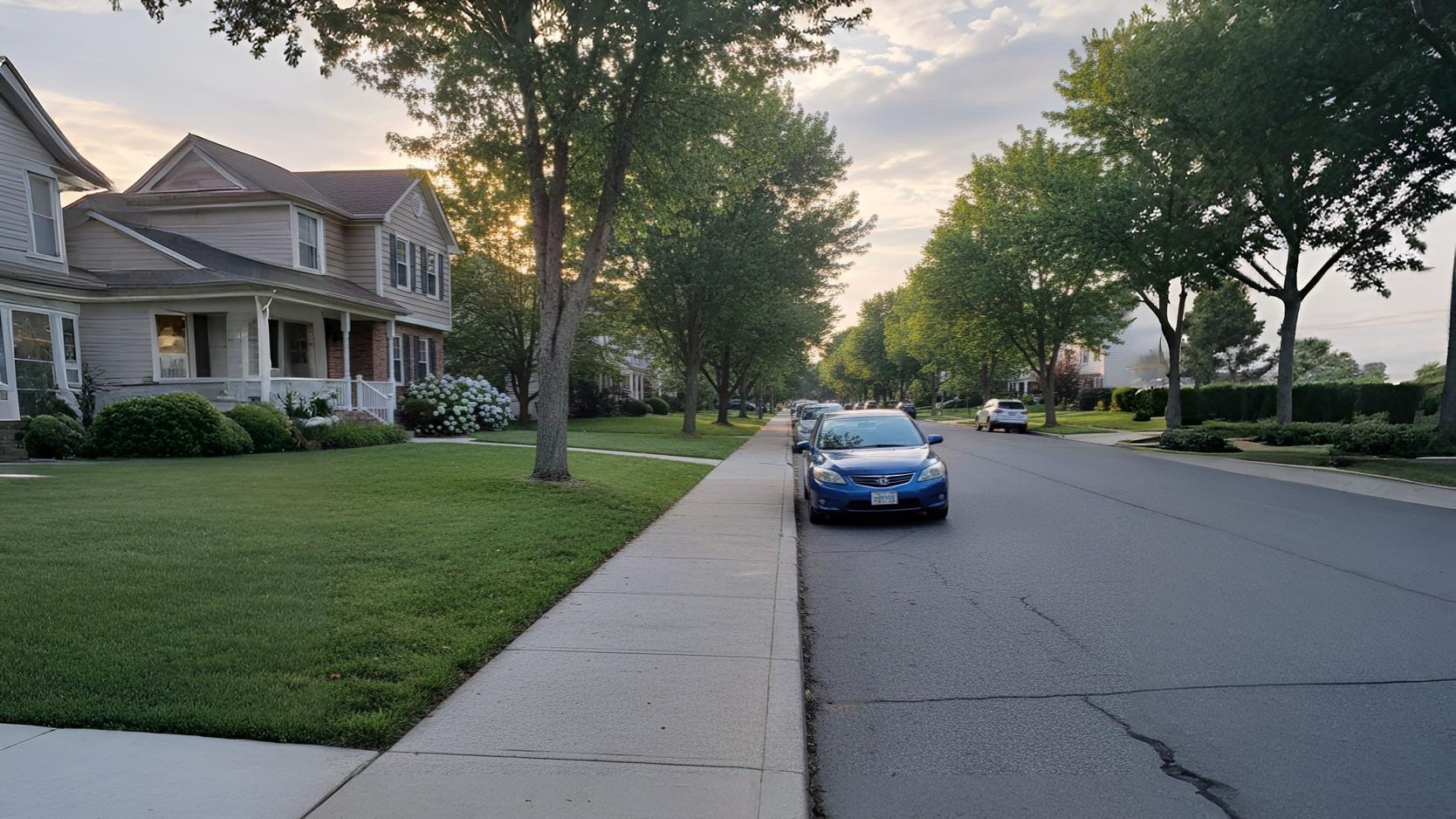
That image reflects most lives. Calm, routine, predictable. In such moments, urgency disappears. Decisions that require attention but not action are easily delayed. Insurance is not ignored because it is unimportant. It is ignored because nothing forces us to confront it while life feels stable.
This is where most insurance stories truly begin. Not with accidents or emergencies, but with long periods of normalcy. Periods where understanding feels unnecessary because nothing has gone wrong yet. That belief is powerful, and it explains why delay feels reasonable for so long.
In the next part, we will look at why awareness alone rarely leads to action, why advice often fails, and how waiting slowly turns into default decisions that shape outcomes more than we realize.
One of the most misunderstood ideas around insurance is that awareness naturally leads to action. In reality, awareness often does the opposite. It creates a false sense of responsibility, where simply knowing that something matters feels like progress, even when no real decision has been made. This is why so many insurance conversations end with agreement but no follow-up.
Advice fails here not because it is incorrect, but because it arrives without pressure. When someone suggests reviewing a policy or understanding coverage, the suggestion lands in a neutral emotional space. There is no urgency attached, no immediate consequence, and therefore no motivation strong enough to interrupt routine.
Humans respond to relevance more than logic. Insurance rarely feels relevant when life is functioning normally. The absence of problems convinces us that preparation can wait. This is why people who are otherwise careful decision-makers delay insurance reviews for years without feeling irresponsible.
Auto insurance, health insurance, and life insurance all share this trait. They exist to manage future uncertainty, but the future always feels distant until it arrives. When relevance finally appears, it often arrives alongside stress, which is the worst possible time to seek clarity.
Many people assume that the biggest insurance regret is buying the wrong policy. In practice, the more common regret is not understanding the policy before it was needed. Confusion during an already difficult moment drains energy, increases anxiety, and creates a sense of loss of control that goes far beyond financial impact.
This is where insurance decisions quietly influence quality of life. The stress does not come from the event itself, but from uncertainty surrounding it. Questions about coverage, timelines, and responsibilities suddenly matter, and the realization that these questions were avoidable adds another layer of pressure.
Most people do not want perfect insurance. They want predictability. They want to know what happens next without guessing. Predictability reduces panic, and panic is often more damaging than cost. Insurance should function as a stabilizing force, not a source of additional confusion.
The problem is that predictability requires engagement before it is needed. Understanding cannot be rushed into existence during stress. It must already be present. This is why waiting feels harmless in the present but becomes expensive later, not financially, but mentally.
Delay also creates default decisions. Policies are renewed automatically, coverage levels remain unchanged, and assumptions harden over time. Defaults are designed for averages, not for individual lives. As life changes, defaults stay the same, and that mismatch quietly grows.
People often underestimate how much their lives evolve. New responsibilities appear, risks shift, priorities change, and yet insurance decisions remain frozen at an earlier stage. This is not negligence; it is inertia. Inertia thrives when nothing forces movement.
Over time, inertia becomes habit. Habits rarely feel dangerous while they are forming. They feel normal. The absence of negative feedback reinforces them. This is why people can delay insurance decisions for years without feeling any discomfort at all.

Moments like this are common. A conversation brings awareness, a suggestion creates intention, and then daily life resumes. There is no resistance, just postponement. The decision is neither accepted nor rejected; it is simply deferred. Over time, deferred decisions quietly become permanent.
This is how delay shapes outcomes without being noticed. The absence of action becomes a decision in itself. When something eventually happens, people are often surprised by how long they have been relying on assumptions rather than understanding.
The quiet cost of waiting is not measured in premiums or deductibles. It is measured in mental load. Regret for not asking questions earlier. Stress caused by uncertainty. Energy spent navigating unfamiliar systems during moments that already demand emotional resilience.
Insurance decisions do not need urgency to be made well. They need honesty. Honest assessment of risk, honest understanding of coverage, and honest recognition that preparation does not require fear. It requires attention.
Attention given early changes everything. It transforms insurance from a background obligation into a familiar system. Familiarity creates calm. Calm allows better decisions during uncertainty. This is the outcome insurance is meant to provide, but it can only do so when engagement happens before it is required.
The idea that preparation must be driven by fear is deeply flawed. Preparation driven by clarity is far more effective. Clarity removes guesswork, reduces stress, and allows people to respond rather than react.
Waiting feels safe because nothing is wrong. Preparation feels unnecessary because nothing is urgent. But urgency is not the same as importance. Some of the most important decisions in life remain quiet precisely because they are designed to protect against possibilities rather than certainties.
Insurance sits firmly in that category. Its value is not visible in daily life, but its absence of clarity is deeply felt when uncertainty arrives. This is why delay, while comfortable in the present, becomes costly later.

This is usually the moment when better decisions begin. Not because something dramatic happened, but because reflection finally replaces assumption. Reflection introduces honesty, and honesty creates movement.
Insurance decisions do not need to be rushed. They need to be revisited. Lives change, and coverage should evolve alongside those changes. Awareness without action is not preparation; it is postponement.
If there is one lesson worth taking from this, it is that delay is rarely neutral. It quietly shapes outcomes, not by causing failure, but by allowing uncertainty to persist. The earlier clarity enters the picture, the less power uncertainty holds later.
Questions Worth Sitting With
What decisions have you postponed because they felt boring rather than difficult?
Are you waiting for a problem to justify preparation?
If something unexpected happened tomorrow, would you feel informed or uncertain?
Has “later” become a habit rather than a plan?
These questions do not demand immediate answers. They demand attention. Attention, given early, often prevents regret later.