
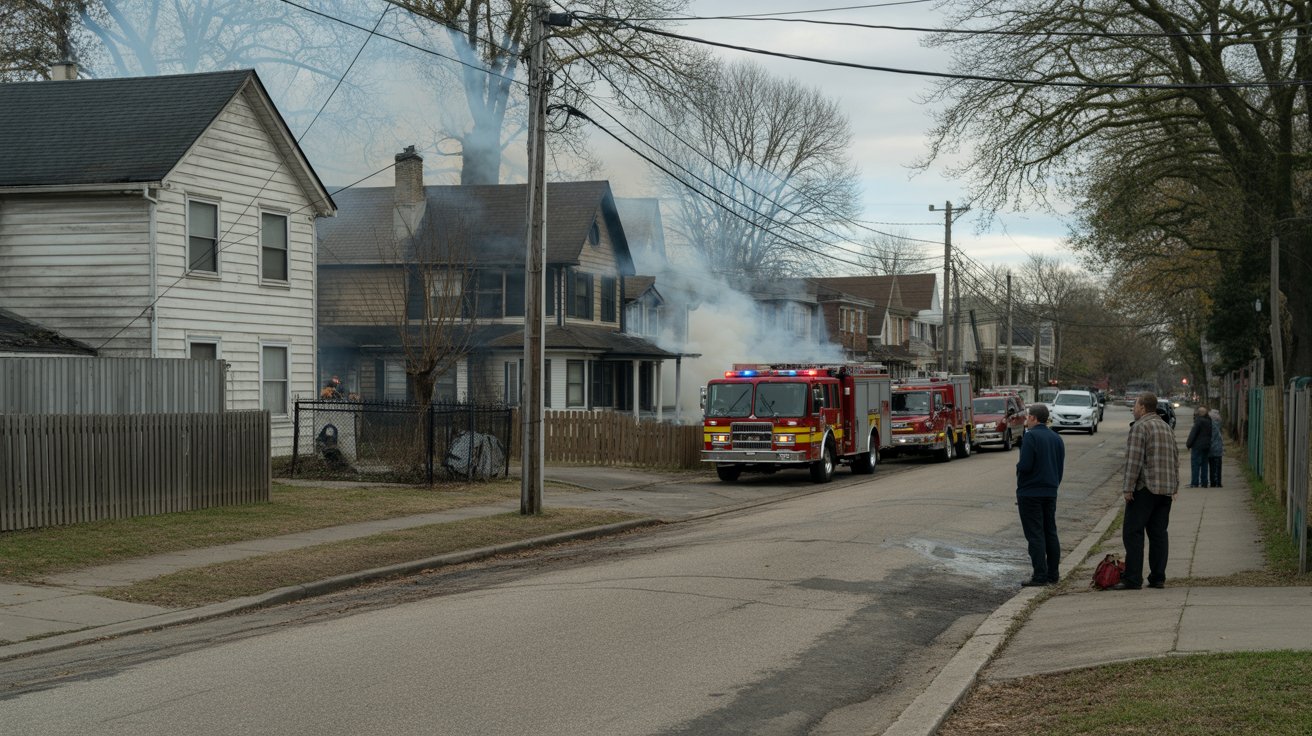
A house across the street caught fire today.
Not loudly. Not dramatically.
Everyone walked away safe.
Everything else didn’t.
I wasn’t planning to write anything today. A few hours ago, my day looked completely normal. Nothing felt urgent. Nothing felt off.
Then there was noise outside. Not screaming. Not panic. Just enough movement to make people step out of their houses.
Someone pointed across the street. Someone else asked what happened.
A house had caught fire.
It didn’t look like what movies show. No massive flames touching the sky. No cinematic chaos.
Just smoke. Firefighters working quietly. And a family standing a little away from their home.
The first sentence everyone said was the same.
“Thank God everyone is safe.”
And they were. That mattered more than anything else.
But after that sentence was repeated a few times, something changed.
People stopped talking loudly. Conversations became quieter. Slower.
You could feel the weight of what had just happened.
Furniture. Walls. Personal belongings. Years of effort.
Safety was luck. Everything else was loss.
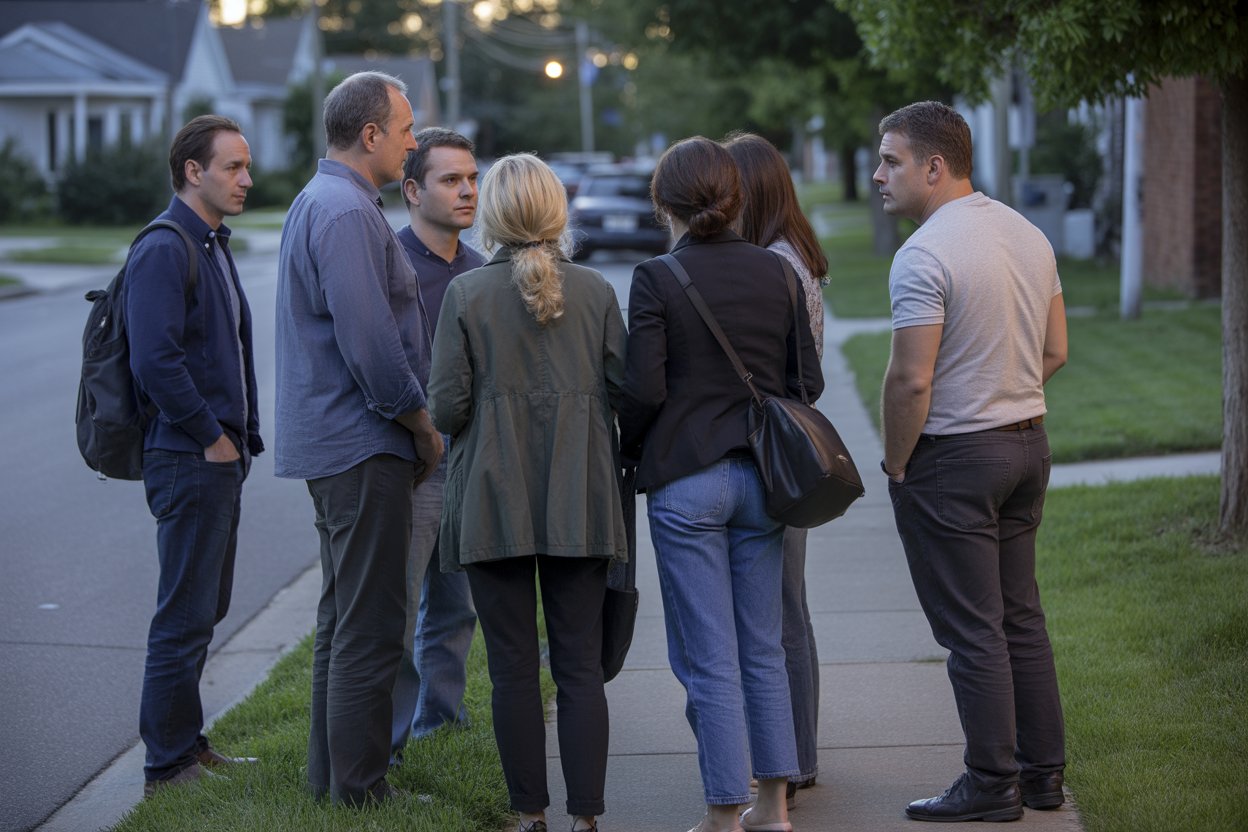
As more neighbors gathered, conversations started naturally. No one was trying to sound smart. No one was arguing.
People were just talking.
Someone mentioned how common house fires are. Someone else talked about electrical issues. Another person quietly said, “This can happen to anyone.”
And then the topic shifted. Slowly. Almost unintentionally.
Home insurance.
Suddenly, everyone had something to say.
What kind of coverage is important. What families should do. What mistakes people make.
It sounded confident. It sounded experienced.
But when people started asking each other softly, something became clear.
Most of the people talking didn’t actually have proper home insurance themselves.
Knowledge was everywhere. Preparation wasn’t.
That moment stayed with me.
Because this wasn’t ignorance. Everyone there knew home insurance mattered.
This was postponement.
The quiet belief that nothing would happen today. Or tomorrow. Or anytime soon.
Until today happens.
Standing there, I realized this story wasn’t really about fire.
It was about how humans think.
How we delay decisions that feel uncomfortable. How we trust routine more than probability.
And how clarity usually arrives only after something shakes that routine.
This is where I stopped observing and started thinking.
Not about policies. Not about coverage.
But about why we all seem to wait for proof before we prepare.
That question stayed with me.
When the Crowd Slowly Disappeared
After some time, people started going back inside. Not all at once. One by one.
Conversations faded. Phones came out. Life slowly returned to normal speed.
That’s how these moments usually end. Not with a clear finish — just with routine taking over again.
The house was still there. Damaged. Quiet.
And the street looked almost the same as it did a few hours earlier. Almost.
But something had changed. Not outside — inside people’s heads.
You could sense it in the way people walked back. A little slower. A little quieter.
Moments like this don’t scare everyone. They remind.
Remind you that stability is temporary. And preparation is invisible — until it’s needed.
The Strange Comfort of “It Won’t Happen to Me”
One thought kept coming back to me.
Almost everyone there knew home insurance mattered. No one was unaware.
So why do so many people delay it?
The answer isn’t ignorance. It’s comfort.
As long as nothing goes wrong, the brain quietly convinces itself that nothing will.
We don’t wake up thinking, “Today my house might catch fire.”
We wake up thinking about work, family, plans.
And that’s normal.
But that normal thinking slowly pushes preparation into the background.
Not because it isn’t important — but because it doesn’t feel urgent.
Urgency usually arrives only after the damage.
Faith, Luck, and the Part We Don’t Talk About
Earlier, people kept saying, “Thank God everyone is safe.”
That sentence means something. And it should.
Faith helps people survive moments they can’t control.
But faith doesn’t rebuild walls. Or replace furniture. Or cover temporary housing.
This isn’t criticism. It’s just reality.
Faith and planning are not enemies. They work at different stages.
Faith protects lives. Planning protects stability.
And stability is what families need after the shock fades.
Why Advice Sounds Easy but Action Feels Heavy
Standing in that crowd, I noticed how easily advice flows when it’s not personal.
People talk confidently when the problem isn’t theirs.
But when it comes time to act, hesitation appears.
Questions start forming.
How much coverage is enough? What if I choose the wrong plan? What if I overpay?
Those questions don’t mean people are careless.
They mean people are afraid of making the wrong decision.
So instead of choosing imperfect protection, many choose delay.
Delay feels safer — until it isn’t.
It’s Never Too Late — But Earlier Is Always Easier
One thought stayed with me as I walked back inside.
It’s never too late to protect what still exists.
But it’s always easier when protection comes before loss.
If someone reading this is young, this story isn’t meant to scare you.
It’s meant to give you perspective.
You don’t need to own a house to understand responsibility.
Knowledge isn’t limited by age.
You can talk to your family. Ask questions. Start conversations.
And if you’re older, with responsibilities already on your shoulders, this isn’t a reminder of failure.
It’s a reminder of choice.
You still have time. As long as something exists to protect.
The Quiet Question Everyone Avoids
Before the fire, most people on that street felt secure.
After it, everyone felt thoughtful.
The difference wasn’t information.
It was proximity.
When risk feels close, priorities change.
So here’s the quiet question worth asking — without panic, without pressure:
What are you waiting for?
A sign? A warning? Or proof?
Because proof usually comes after the loss.
Preparation comes before.
Final Thought
This story isn’t about fire.
It’s about timing.
About how humans delay uncomfortable decisions until comfort disappears.
Home insurance isn’t about fear. It’s about control.
Control over how quickly life can feel normal again.
Tonight, the street looks calm. Quiet. Ordinary.
Just like it did before everything happened.
The difference is — now the question is visible.
Will it be answered in time?