
Flood Insurance: NFIP vs Private Coverage — Smart Protection & Tips
A practical, easy-to-follow guide to Flood Insurance — what it covers, how NFIP compares to private options, how to estimate risk, and simple ways to protect your home and finances.
Explore Top Guides
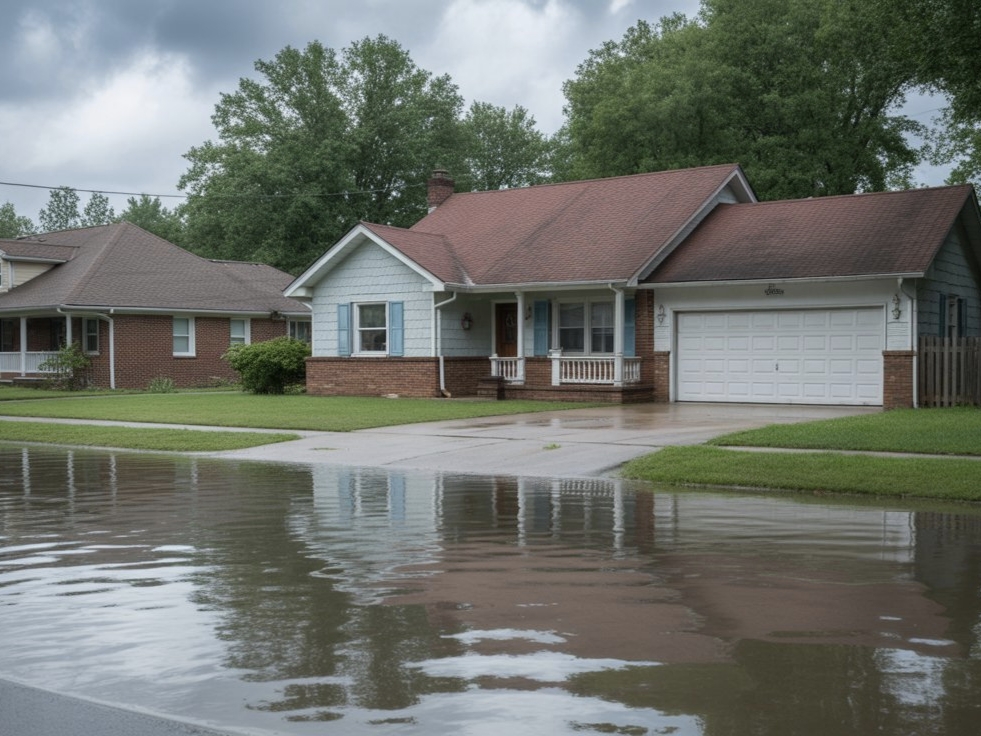
I’ve lived in neighborhoods where a heavy storm could turn a quiet street into a shallow river within minutes. The first time I experienced it, I saw how quickly stress replaced calm, especially for families whose basements and garages filled with water. This is the reality of flooding — it’s sudden, expensive, and emotionally draining. And the most surprising part? Most homeowners don’t realize that traditional home insurance does not cover flooding caused by rising water.
Flood Insurance exists to fill that gap. Whether your home is near a river, a coastal area, a storm drain, or even just a low-lying street, understanding flood coverage isn’t optional — it’s financial protection that can save you from massive out-of-pocket losses. This guide breaks down everything you need to know in simple, everyday language: how flood insurance works, how NFIP compares to private providers, who needs it, and how to get proper protection without overpaying.
What Flood Insurance Covers
Flood Insurance covers damage caused by rising water from outside the home. This is different from water damage caused by burst pipes or appliance leaks — those are usually covered by homeowners insurance. Flood coverage protects against events like overflowing rivers, storm surges, heavy rain accumulation, and rapid snowmelt.
Flood Insurance typically covers:
- Flooring, walls, foundation, drywall, and built-in cabinets
- Electrical, HVAC, and plumbing systems damaged by floodwater
- Personal belongings like furniture, clothing, electronics, appliances
- Mud and debris removal after a flood
- Cleanup and sanitization costs
Flooding often affects multiple parts of a home at once — flooring, appliances, furniture, and sometimes even cars. Without flood coverage, these expenses can become extremely high, and most homeowners are shocked when they discover traditional insurance won’t cover that loss.
NFIP vs Private Flood Insurance — What’s the Difference?
In the U.S., flood insurance comes from two main sources: the federal NFIP (National Flood Insurance Program) and private insurance companies. Each has strengths, limitations, and ideal use cases.
NFIP (FEMA)
NFIP coverage is available in thousands of communities nationwide. It’s stable, standardized, and often required by mortgage companies in high-risk zones. However, NFIP policies have fixed coverage limits and may not fully cover high-value belongings or upgraded interiors.
Private Flood Insurance
Private insurers offer greater flexibility — higher coverage limits, additional options like temporary living expenses, and sometimes lower premiums for moderate-risk homes. Claims can also be processed faster because private carriers typically face fewer bureaucratic delays.
Tip: Many homeowners compare both options because private plans may offer more coverage for a similar or sometimes lower monthly rate.

Who Needs Flood Insurance?
Flood risk exists in more places than people realize. Even homes located outside FEMA high-risk zones experience flooding due to clogged drains, heavy rainfall, or poor street grading. If water has ever pooled near your street, driveway, or basement, flood insurance is worth serious consideration.
You should strongly consider Flood Insurance if:
- A lender requires it for your mortgage (in high-risk zones)
- You live near a river, lake, storm drain, or coastline
- Your property is at low elevation or has poor drainage
- Your home has a finished basement or stored valuables
- Your neighborhood has a history of water pooling or past flooding
Even if your home sits in a moderate-risk area, private flood insurance can be surprisingly affordable and provide major financial protection during unexpected storms.
Estimating Costs & Coverage
Flood insurance premiums depend on your home’s location, elevation, building age, structure type, proximity to water, and drainage patterns. NFIP has standard maximum limits, while private carriers price more dynamically using risk modeling.
Factors that influence pricing include:
- Elevation relative to nearby water sources
- Foundation type (basement, crawl space, slab)
- Home’s age, materials, and renovations
- Local rainfall patterns and storm frequency
- Your past insurance claims
While cost varies, flood insurance is often far more affordable than people assume — and dramatically cheaper than paying for flood repairs out-of-pocket.

Flood Insurance plays a crucial role in protecting your home and financial well-being against rising water damage. In the next sections, we’ll explore how the claims process works, what documents you need, how to prepare before storms, and practical steps to reduce flood risk while keeping your premiums manageable.
How Flood Insurance Claims Work
When flooding happens, filing a claim can feel stressful — but the process is much easier when you know what to do. Flood claims follow a structured process, and acting quickly helps prevent additional damage like mold or structural weakening.
Here’s the typical flood claims process:
- Contact your insurer immediately. Once it’s safe, report the loss so they can assign a flood adjuster.
- Photograph and record all damage. Capture wall stains, water lines, flooring damage, appliances, and belongings.
- Create a written inventory. List damaged items with estimated value, brand, and purchase date if you remember.
- Meet the adjuster. They’ll inspect your home, verify damage, and create an estimate based on NFIP or private coverage rules.
- Review the adjuster’s report. If something is missing, you can request an additional review or supplement.
- Receive payment. Payments may come in separate parts — structure, belongings, and any approved mitigation.
The most important thing: don’t throw items away until the adjuster sees them (unless safety requires it). Clear documentation helps ensure you get the full amount you’re owed.
How to Reduce Flood Damage Before It Happens
Flood Insurance protects your finances, but prevention protects your home. Even small improvements can reduce damage and potentially lower your premium over time.
1. Improve Water Flow Around Your Home
Keep gutters clean, extend downspouts, and ensure water moves away from your foundation. Poor drainage can cause water to seep into basements within minutes.
2. Install a Sump Pump With Backup Power
Sump pumps prevent basement flooding. A battery backup keeps it running during storms when power outages are common.
3. Raise Essential Items
Store valuables, electronics, and important documents above ground level. Even six inches of elevation can protect against minor flooding.
4. Seal Your Foundation
Sealing cracks prevents water intrusion and reduces long-term moisture damage. A yearly inspection helps catch issues early.
5. Stay Updated With Flood Maps
FEMA flood maps change over time. Checking your zone helps you understand your risk and plan your coverage correctly.

How to Lower Your Flood Insurance Premium
Flood Insurance can be affordable when you take steps that insurers recognize as risk-reducing. Here’s how many homeowners bring costs down while keeping strong protection:
- Choose a higher deductible. A larger deductible usually lowers monthly cost.
- Elevate utilities and mechanical systems. Raising HVAC units and electrical panels reduces structural risk.
- Install flood openings. Proper vents allow water to flow through safely, reducing pressure on walls.
- Provide an elevation certificate. Homes built above the base flood elevation often qualify for savings.
- Compare NFIP with private insurers. Private policies sometimes offer better rates for moderate-risk areas.
Long-term risk reduction not only protects your home but can also lower costs year after year, especially in coastal or river-adjacent regions.
Frequently Asked Questions
Does homeowners insurance cover flooding?
No — damage from rising water is not included in a standard homeowners policy. Flood Insurance is a separate policy.
Is Flood Insurance mandatory?
It is required for homes in high-risk flood zones with a mortgage. In moderate areas, it’s optional but strongly recommended.
What is not covered by Flood Insurance?
Landscaping, fences, temporary housing, cash, vehicles, and moisture damage unrelated to a flood event are typically not covered.
How long is the waiting period?
NFIP policies normally require a 30-day wait. Private insurers may offer shorter waiting periods depending on the provider.
NFIP vs private flood insurance — which is better?
NFIP offers standardized coverage and stability. Private insurers offer higher limits, optional add-ons, and sometimes lower premiums.
About the Author
This guide was written to help homeowners understand Flood Insurance in a simple, practical way. Our goal is to make complex topics easy to understand so you can protect your home confidently.
*This guide is for educational purposes only. Coverage varies by insurer and location. Always review your policy documents or speak with a licensed agent.*