
Earthquake Insurance: Coverage, Costs & Smart Protection for Homeowners
A clear, human-friendly guide to understanding how earthquake insurance works, what it actually covers, and how to protect your home from unexpected seismic damage — without overspending.
Explore Top Guides
I still remember the moment a mild earthquake shook the neighborhood a few years ago. It lasted only a few seconds, but it left everyone outside their homes, looking at each other with the same expression — “What if that had been bigger?” That small moment becomes a reminder every time I help someone understand earthquake insurance. It’s one of those coverages people ignore until they suddenly realize how devastating even a moderate quake can be.
So if you’re reading this because you’re trying to protect your home, your savings, and the people you care about — you’re already a step ahead. Let’s walk through this the clear, human way. No jargon. No scare tactics. Just practical guidance that helps you make smart decisions.
What Earthquake Insurance Actually Covers
Earthquake insurance is simple at its core: if the ground shakes and causes damage, this policy steps in to pay for repairs. Your standard homeowners policy won’t cover it — not even a little. Earthquake coverage is sold separately because seismic damage is expensive, unpredictable, and impossible for regular home policies to absorb.
Here’s what’s typically covered:
- Dwelling coverage: Repairs to your home’s structure — foundation, walls, roof, framing, floors, and attached structures like garages.
- Personal belongings: Furniture, electronics, clothing, appliances, décor — anything damaged by shaking or collapse.
- Additional living expenses: Hotel stays, rental homes, meals, laundry, storage, and travel if your home becomes unsafe to live in.
- Repairs to essential systems: Gas lines, electrical wiring, water lines, heating and cooling systems, and broken pipes due to shaking.
- Debris removal: Clearing collapsed materials, broken items, and fallen objects.
High-value items — jewelry, collectibles, artwork — sometimes need extra coverage, depending on your insurer. But the core protection remains the same: if the earth moves and your home suffers, earthquake insurance becomes your financial safety net.
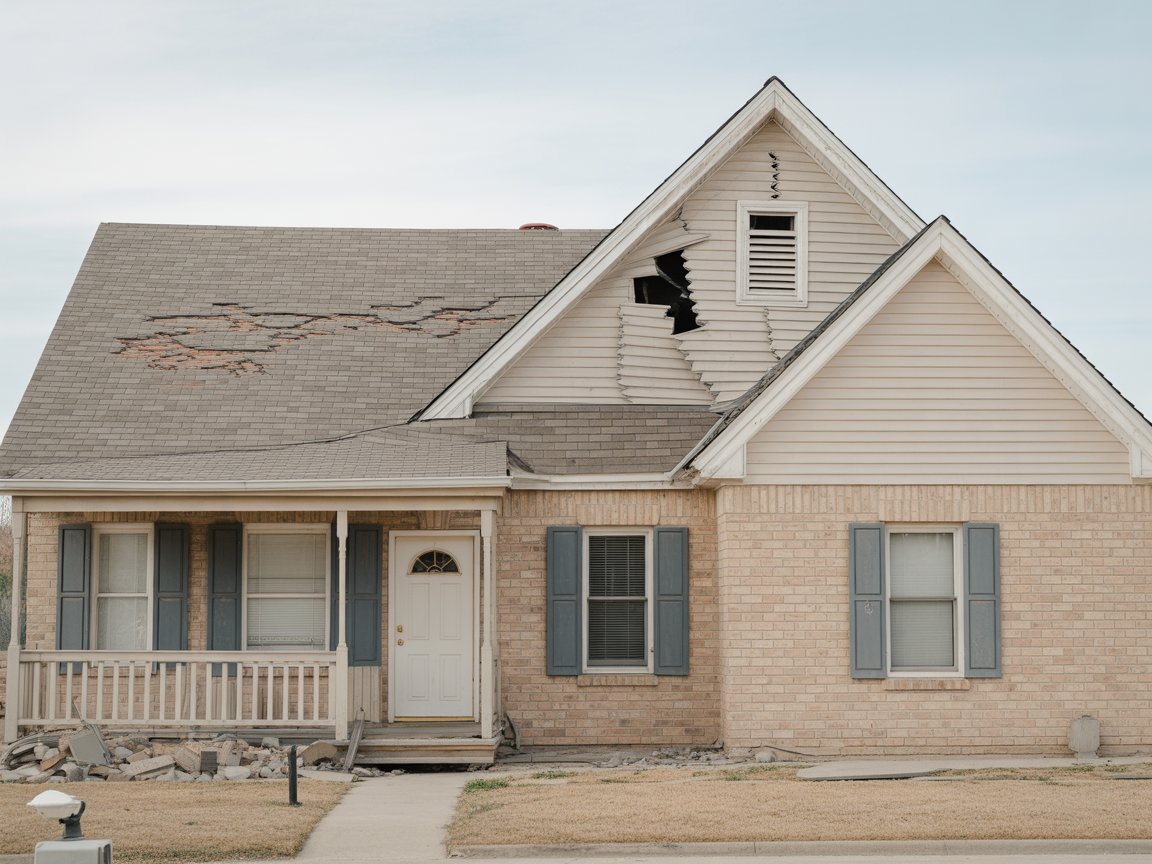
How Earthquake Insurance Protects Your Home & Your Savings
If you’ve never seen earthquake repair bills, here’s something homeowners rarely realize: even a mild quake that cracks your foundation or shifts your home a few inches can cost tens of thousands of dollars to fix. A major quake? That can push repair bills into six figures — easily.
Structural repair protection
This is the most important part of earthquake insurance. It covers repairs to your home’s frame, roof, walls, chimney, foundation, windows, and internal systems that get damaged when the ground moves.
Coverage for personal property
TVs falling, cabinets opening, furniture tipping over — these are common during even small earthquakes. Without earthquake insurance, replacing everything comes straight from your pocket.
Temporary housing support
If your home becomes unsafe (even temporarily), this part covers hotel stays, rental housing, food, laundry, and more while repairs happen. This is one of the most valuable benefits because displacement expenses pile up quickly.

How Much Earthquake Insurance Costs & Why Pricing Varies
Premiums depend on how likely your property is to experience shaking — and how badly it might be damaged if a major quake happens. Homes near known fault lines or built on soft soil usually cost more to insure.
Six main factors influence your price:
- Your distance to active fault lines — closer homes face higher premiums.
- Soil quality beneath your home — sediment amplifies shaking; rock reduces it.
- Your home’s construction type — wood-frame homes generally perform better than masonry.
- Home age & maintenance — older homes can be more vulnerable without retrofitting.
- Foundation type — raised foundations shift more than slab foundations.
- Your deductible percentage — higher deductibles = lower premiums.
Many people worry earthquake insurance is “too expensive,” but the real question is: how expensive would repairs be without it? In most high-risk regions, the financial exposure makes the coverage worth serious consideration.
Understanding Deductibles & Choosing the Right One
Unlike standard insurance deductibles, earthquake deductibles are based on a percentage of your coverage limits. The most common range is 5% to 20%.
If your dwelling limit is $500,000 and your deductible is 10%, you must cover the first $50,000 of repairs. That sounds huge, but earthquake repairs easily exceed that amount — especially when foundations shift or walls crack.
A lower deductible means less out-of-pocket cost after a disaster, but a higher premium every year. Most homeowners choose something in the 10%–15% range to balance affordability and protection.

How to File an Earthquake Insurance Claim
A well-documented claim moves faster and results in fairer payouts. After an earthquake, take a moment to breathe, check for immediate hazards, and then follow this approach.
- Check for safety issues — gas leaks, unstable walls, broken pipes.
- Document everything: photos, videos, notes, timestamps.
- Make a clean inventory of damaged belongings with approximate values.
- File your claim quickly through your insurer’s 24/7 line or app.
- Ask for repair estimates from licensed contractors.
- Keep receipts for temporary repairs, hotels, meals, storage, and supplies.
- Follow up politely — during large regional events, adjusters get overwhelmed.
If you ever feel overwhelmed during the claim, remember—you’re not supposed to handle everything alone. Your insurer’s adjuster, contractors, and sometimes even city inspectors will help guide you through repairs and assessments. Your job is to stay organized, keep records, and communicate clearly.
Ways to Reduce Earthquake Damage Before It Happens
Earthquake insurance protects your finances, but reducing the actual physical damage protects your home and keeps your family safe. You don’t need to spend thousands to make meaningful improvements. Many of the most effective steps are surprisingly simple and inexpensive.
Secure heavy furniture and appliances
Large items like bookshelves, dressers, water heaters, and refrigerators can fall or slide during shaking. Anchoring them to studs or bracing them prevents both injury and property damage.
Brace your water heater
This one is not optional in many states. Water heaters topple easily during a quake, causing flooding or gas leaks. A simple double-strap kit can prevent thousands of dollars in damage.
Retrofit older homes
Homes built before modern seismic codes often lack proper foundation bolting and cripple wall bracing. Retrofitting makes these homes dramatically safer and may lower premiums.
Create a basic emergency kit
Flashlights, chargers, water, first-aid supplies, blankets, batteries, and copies of important documents can reduce stress and keep your household functional after a quake.
Review your coverage every year
Home values change. Risk changes. Premiums change. Reviewing your policy helps ensure you aren’t under-insured or overpaying for coverage you don’t need.
These small steps help reduce risk—and insurers reward lower risk with better pricing and smoother claims whenever shaking occurs.
Frequently Asked Questions
Does homeowners insurance cover earthquake damage?
No. Standard homeowners insurance excludes earthquke damage. A separate earthquake policy is required.
Is earthquake insurance required by law?
No, it’s optional. However, lenders or condo associations may require it if your home is in a high-risk seismic zone.
Are aftershocks covered under the same claim?
Yes. Most insurers consider aftershocks part of the same seismic event if they occur within a specific timeframe.
Why are earthquake deductibles so high?
Because repairing seismic damage is extremely expensive. Percentage-based deductibles help keep premiums affordable while still offering meaningful protection.
How do I know if my home needs retrofitting?
Older homes, especially those built before modern building codes, often need bracing and foundation bolting. A seismic inspection can confirm.
About the Author
At InsureLyric, we write insurance guides designed for real people — simple language, practical examples, and honest explanations that make complex topics easier to understand. Our goal is to help every homeowner make confident, well-informed decisions.
This article is for educational purposes only and is not financial or legal advice. Earthquake insurance availability, coverage, limits, and pricing vary by insurer and location. Consult a licensed insurance professional before making policy decisions.