
Dental Insurance: Coverage, Costs & Best Plans Explained
A clear, friendly guide to understanding dental insurance — what it covers, what it doesn’t, how much it costs, and how you can save money on routine and major dental care.
Explore Top Guides
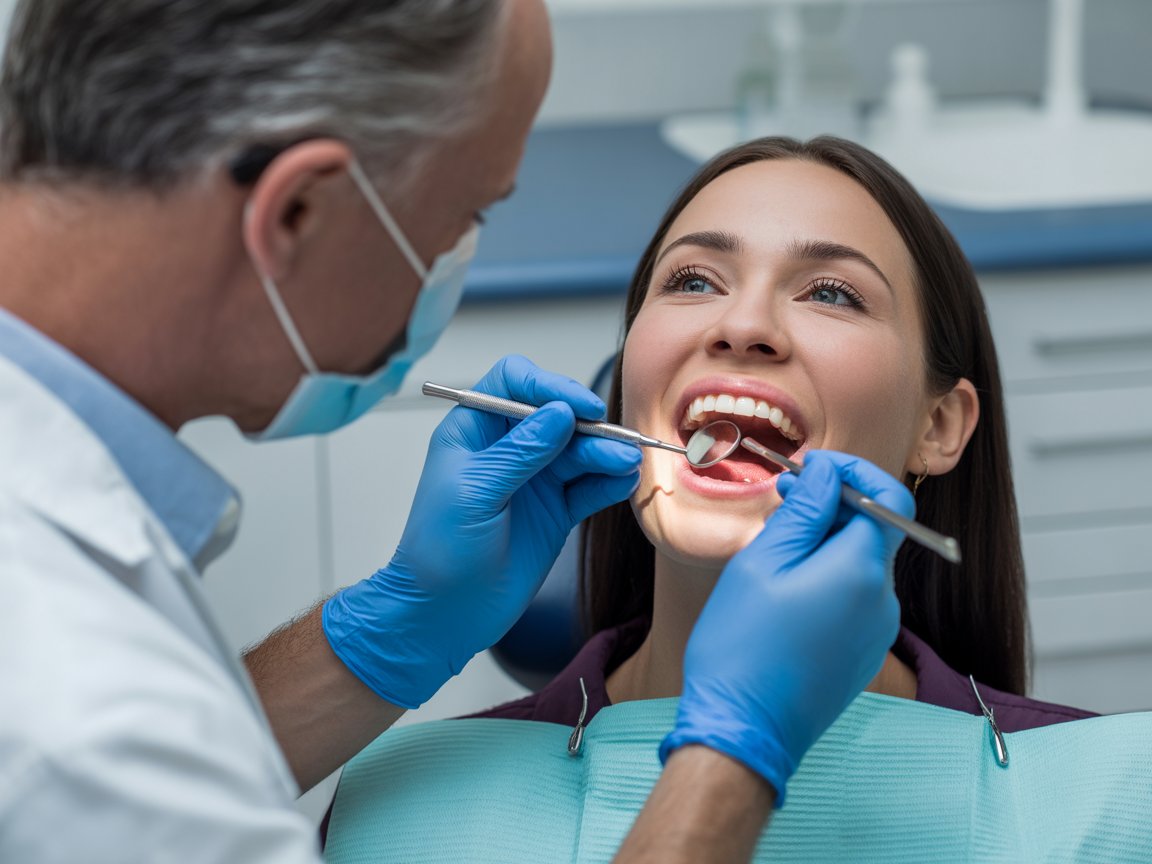
When I sat down for what I thought would be a quick dental cleaning last year, I wasn’t expecting anything unusual. But the dentist gently tapped the screen and showed me a tiny shadow on an X-ray — a cavity forming. It wasn’t anything major, but the bill still surprised me. That day, while driving home, I realized something: dental work feels affordable only until you actually need it.
That’s when I finally took dental insurance seriously. And if you’re here, you probably want clarity too — real information, not the complicated charts or confusing terms that most websites throw at you. This guide breaks everything down in plain English so you know exactly what you’re paying for and what you’re protecting yourself from.
What Dental Insurance Actually Covers
Most dental plans follow a structure known as 100–80–50 coverage. It sounds technical, but it’s actually very simple:
- 100% (Preventive Care): Cleanings, exams, bitewing X-rays, fluoride treatments for kids.
- 80% (Basic Care): Fillings, simple extractions, gum disease treatment, emergency visits.
- 50% (Major Care): Crowns, bridges, dentures, oral surgery, sometimes root canals.
Preventive care being fully covered is the biggest advantage of dental insurance. Cleanings twice a year can save hundreds or even thousands by catching problems early.
Most plans include:
- Two cleanings and exams per year
- Bitewing X-rays once a year
- Fillings for cavities
- Root canals (partially)
- Crowns and bridges
- Dentures and partials
- Oral surgery
Orthodontics (braces, Invisalign) is typically optional. Many plans cover orthodontics for kids but not adults unless you buy an add-on.
Types of Dental Insurance Plans
Dental plans look similar on paper, but they work differently when you actually use them. Understanding the structure helps you pick the one that fits your lifestyle and budget.
1. PPO (Preferred Provider Organization)
The most popular option because of its flexibility. You can visit any dentist — in-network or out-of-network — but in-network costs less. PPOs usually offer balanced coverage for preventive, basic, and major care.
2. HMO (Dental Health Maintenance Organization)
HMOs are budget-friendly but have more rules. You must choose a primary dentist from the network. Cleanings and exams are affordable, but specialized care may require referrals.
3. Dental Discount Plans
These aren’t insurance but offer reduced rates at participating dentists. Good for people who want lower upfront costs or don’t visit the dentist often.
How Much Dental Insurance Costs
The average cost of dental insurance in the U.S. is between $20 and $50 per month for individuals and $50 to $150 for families, depending on the coverage level and your location.
Costs depend on:
- Plan type (PPO vs HMO)
- Annual maximum limits
- Deductibles (usually $50–$150)
- Coverage for major care
- Your ZIP code (big factor)
Unlike health insurance, dental plans have an annual maximum — the total amount your insurer will pay per year. Most fall between $1,000 and $2,000.
How to Choose the Right Dental Insurance Plan
When you look at dental plans online, all of them claim to offer the “best coverage,” and every chart looks almost identical. But in real life, the right dental plan depends on your habits, your family’s needs, and how often you visit the dentist. One thing I’ve learned after speaking to insurance advisors is that most people overpay simply because they don’t match the plan to their lifestyle.
The smartest way to decide is to start with your dental reality, not the brochure. Below are the real-world criteria experts use when evaluating plans — the same framework I used while choosing my own.
1. Your Dental History Matters
If you’ve had cavities, root canals, or gum issues in the past 2–3 years, you’ll probably need more care in the future. In that case, choose a PPO plan with a higher annual maximum ($1,500 or more). These plans cost slightly more each month, but they save you hundreds if dental problems come up again.
2. Your Dentist Preference (In-Network vs Out-of-Network)
If you already love your dentist, ask if they’re “in-network” with the plan you’re considering. Staying in-network can cut your dental costs by 30–50%. If your dentist is out-of-network, PPO plans are ideal because they still reimburse a good portion of your treatment.
3. For Budget-Friendly Options, HMO Plans Shine
HMOs have the lowest premiums — sometimes as low as $10–15 per month — but they restrict you to a specific dental office. They’re great for individuals who just want cleanings and predictable costs, but not ideal if you want flexibility or have ongoing dental issues.
4. Families Should Focus on Orthodontic Coverage
If you have kids aged 7–14, orthodontic coverage becomes extremely important. Braces or Invisalign can cost $4,000–$7,000. Many family plans include partial orthodontic benefits for children, but fewer cover adults. If you think someone in the family may need braces, make sure the plan includes orthodontics upfront.
5. Seniors Need Better Major Procedure Coverage
As you age, major dental procedures become more common — crowns, implants, dentures, periodontal treatment, and root canals. Seniors should look for PPO plans with strong major-care benefits and annual maximums closer to $2,000.
Choosing the right plan isn’t about picking the cheapest one; it’s about choosing the one that saves you money throughout the year. A $10 cheaper plan that covers less can lead to a $400 bill later.
How Dental Insurance Claims Work (Simple Breakdown)
Most people feel overwhelmed by the word “claims,” but dental claims are one of the easiest in the insurance world. Unlike medical insurance — which has complicated approvals, multiple codes, and unpredictable charges — dental billing is extremely straightforward.
If You Use an In-Network Dentist
Good news — you don’t need to do anything. The dental office handles it all. They verify your insurance, apply your benefits, calculate your out-of-pocket cost, and file the claim automatically. You usually just pay your small portion before leaving.
If You Use an Out-of-Network Dentist
In this case, you may have to file the claim yourself. But it’s easier than paying your electricity bill.
Here’s the simple process:
- Ask the dental office for an itemized bill after your visit.
- Download your insurer’s claim form online (usually a 1-page PDF).
- Upload the form + bill through your insurer’s app or website.
- Wait 7–21 days for processing.
Many insurers reimburse directly into your bank account. Some even notify you by text when your claim is approved. Filing a claim yourself sounds intimidating until you do it once — after that it feels routine.

Smart Ways to Reduce Dental Costs (Even With Insurance)
Even with a good plan, dental costs can creep up if you’re not careful. After speaking with dentists and financial planners, I created a simple list of strategies anyone can use. These tips alone can save your family hundreds of dollars each year.
- Always use free preventive care: Most plans offer two cleanings a year at no cost.
- Stay in-network: Out-of-network care can cost 2–3× more.
- Get pre-treatment estimates: Before a crown or root canal, ask your insurer for a cost breakdown.
- Check for rollover maximums: Some plans let you carry unused benefits into the next year.
- Use dental schools for major care: Safe, supervised, and much cheaper.
- Use HSA/FSA funds: Pay with tax-free dollars to save up to 30% on procedures.
- Negotiate cash prices: Many dentists offer discounts for up-front payment.
The best part about dental insurance is how predictable it makes your expenses. When you follow these steps, even major procedures become affordable in the long run.
Frequently Asked Questions
Does dental insurance cover braces?
Many family plans cover braces for kids under 18, but adult orthodontics often requires a separate add-on. Always check for “orthodontic riders” if you’re considering Invisalign.
Is there a waiting period?
Cleanings and exams often begin immediately. Basic care may have a 3–6 month wait, while major care usually has a 6–12 month waiting period. Each insurer is different.
What’s the best plan for seniors?
Seniors often need crowns, dentures, and periodontal care. That’s why PPO plans with higher annual maximums and better major-care coverage are ideal.
Is dental insurance worth it?
Absolutely. If you get two cleanings a year and even one filling or X-ray, you usually get your money back. If a major procedure becomes necessary, the savings can be huge.
About the Author
At InsureLyric, we turn complicated insurance topics into friendly, easy-to-read guides. Our team focuses on clarity, accuracy, and helping U.S. families make smarter financial decisions.
For more help, check our Contact page or review our Terms and Privacy Policy.
*This article is for educational purposes. Benefits vary by state, provider, and coverage level. Always review your policy documents.*