
Workers’ Compensation Insurance — Protecting Employees and Your Business
A practical, easy-to-understand guide explaining how workers’ compensation covers medical bills, wage replacement, and employer liability when workplace injuries happen.
Start Reading
Whenever I talk with small business owners or new entrepreneurs, one of the first things they ask me is how to legally protect their employees—and themselves—when accidents happen at work. Even in a safe workplace, injuries can occur unexpectedly, and when they do, the financial impact can be much bigger than most owners realize. That’s exactly why workers’ compensation insurance exists. It’s not just a regulatory requirement; it’s a powerful safety net designed to protect both employees and employers from the heavy costs of workplace injuries.
In today’s U.S. business environment, workers’ comp isn’t optional for most states. Even small teams or part-time staff can trigger mandatory coverage, depending on state rules. And because workplace injuries can lead to medical treatment, missed wages, and even legal claims, this coverage becomes one of the most essential parts of running a responsible and financially stable business.
When I explain workers’ comp to new business owners, I try to simplify it down to one powerful idea: it protects your employees when they get hurt, and it protects your company from lawsuits when accidents occur. It’s a balanced system designed around fairness—ensuring workers get the support they need while helping employers avoid massive legal and financial risks.
What Workers’ Compensation Insurance Actually Covers
Workers’ compensation provides a wide range of financial protections when an employee experiences a job-related injury or illness. It covers immediate medical treatment, ongoing care, lost wages during recovery, and even long-term disability benefits if the injury results in permanent limitations. In more serious cases, it also includes survivor benefits for families.
When an injury happens, workers’ comp typically pays for:
- Emergency room visits and medical bills
- Diagnostic tests like X-rays or MRIs
- Prescription medications
- Physical therapy and rehabilitation
- Partial wage replacement during time off
- Disability benefits if the injury impacts long-term ability to work
- Death benefits for the worker’s family
This coverage provides peace of mind for employees because they know they’ll receive care without expensive out-of-pocket costs. At the same time, it protects employers by limiting costly lawsuits. In most states, if workers’ comp is provided, employees cannot sue the employer for workplace injuries—unless there was extreme negligence.
And here’s something many business owners don’t realize: even minor injuries can lead to major bills. A simple slip-and-fall can involve medical diagnostics, doctor visits, therapy, and weeks of missed wages. Without workers’ comp, the employer becomes responsible for these costs directly.

Who Needs Workers’ Compensation Insurance?
One of the biggest misconceptions I hear from entrepreneurs is that only “big companies” need workers’ compensation insurance. But in reality, most U.S. states require it as soon as you hire even one employee—sometimes even part-time or seasonal staff. Some states even require coverage for subcontractors, depending on the nature of the work.
If your business falls under any of the following categories, workers’ comp is almost certainly required:
- Small businesses with employees
- Construction and trade companies
- Retail stores and restaurants
- Warehouses and logistics operations
- Healthcare and caregiving facilities
- Manufacturing and production environments
Even low-risk office jobs can lead to workplace injuries such as repetitive strain, slips, or ergonomic issues. That’s why states enforce workers’ comp: it ensures all employees receive protection, not just those in hazardous industries.
Why Workers’ Compensation Matters for Small Businesses
Small businesses often operate on tight margins, and a single workplace injury without insurance can be financially devastating. Medical bills, wage reimbursement, legal defense, and settlements can accumulate faster than most owners expect. Workers’ comp helps prevent these situations by absorbing the financial impact.
Without coverage, a business may face:
- State penalties and fines
- Out-of-pocket injury costs
- Potential lawsuits from injured employees
- Temporary or permanent business shutdowns
When I speak with owners who delayed getting coverage, they often say the same thing: “I wish I had bought it sooner.” Workers’ comp isn’t just protection—it’s a financial safeguard that keeps your business operational after unexpected setbacks.
How a Workers’ Compensation Claim Works
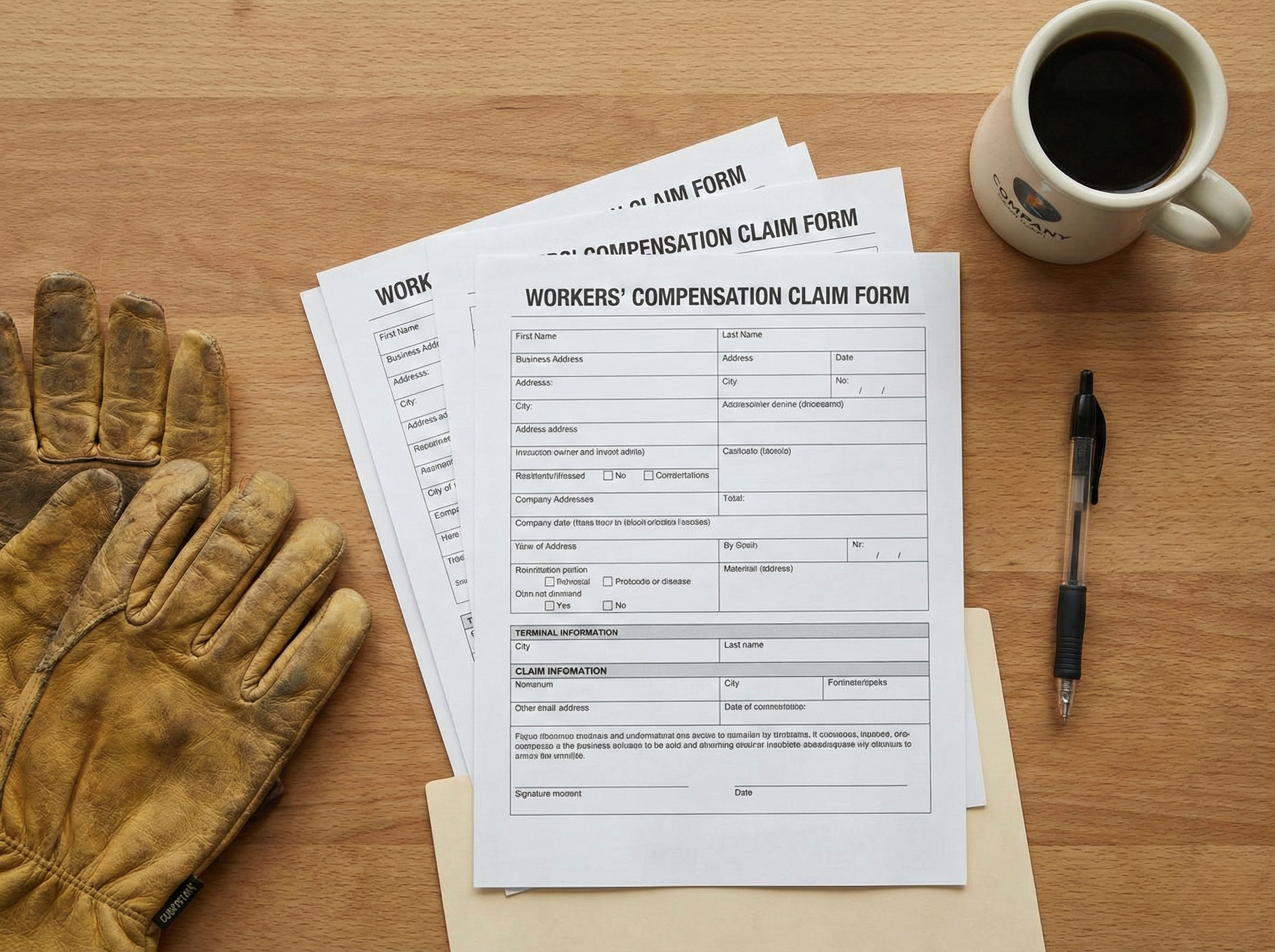
One of the most confusing parts of workers’ compensation for new employers is understanding how the claim process actually unfolds. The truth is, the system is designed to be straightforward, as long as both the employee and employer follow the required steps. When an injury occurs, time matters. Quick reporting and proper documentation can make the difference between a smooth claim experience and a stressful one.
The process usually begins when an employee reports an injury to their supervisor. Most states require that injuries be reported within a specific timeframe—often 24 to 48 hours. From there, the employer must provide the employee with the necessary claim forms and notify their insurance carrier. This starts the official workers’ compensation claim.
Once the claim is submitted, the insurance company evaluates the details to determine whether the injury qualifies for coverage. During this process, the insurer may speak with the employer, the employee, and any witnesses, and may request medical records or documentation related to the incident. If the injury happened within the scope of employment, the claim is usually approved.
After approval, benefits begin. This includes medical treatment without out-of-pocket costs for the employee, as well as wage replacement if time off is required. Most states pay about two-thirds of the employee’s average weekly wages during recovery, though this varies based on state law.
Understanding Wage Replacement Benefits
When a workplace injury forces an employee to miss work, the financial impact can be immediate. Workers’ compensation is designed to soften that burden through wage replacement benefits. While these benefits do not fully match the employee’s regular income, they provide a significant portion—generally ranging from 60% to 70% in most states.
How long the employee receives these payments depends on the severity of the injury. Short-term benefits might cover a few days or weeks of missed work, while long-term benefits apply when an employee cannot return to work for an extended period. In cases involving permanent injury, workers may qualify for structured disability benefits that continue for months or even years.
Wage replacement ensures that injured workers can focus on recovery instead of worrying about rent, groceries, or other essential expenses. For employers, it provides a clear structure that reduces disputes and prevents potential lawsuits over lost income.
What Workers’ Compensation Does Not Cover
While workers’ comp is incredibly protective, it does come with boundaries. Understanding the limitations helps employers set accurate expectations and prevents misunderstandings when claims are filed.
Workers’ compensation does not cover:
- Injuries that occur outside the workplace or off duty
- Accidents caused by intoxication or drug use
- Self-inflicted injuries or intentional harm
- Injuries unrelated to job responsibilities
- Independent contractors (unless incorrectly classified)
- Emotional stress without a linked physical injury (in most states)
These exclusions exist to prevent abuse of the system and to ensure that workers’ comp remains focused on legitimate workplace accidents and illnesses.
How Much Workers’ Compensation Costs
Workers’ compensation cost varies widely based on industry risk, payroll size, claims history, and state regulations. In low-risk fields like accounting or marketing, premiums may be relatively small—sometimes just a few hundred dollars per employee per year. But in high-risk industries like construction, roofing, or manufacturing, the cost can be significantly higher.
Insurers usually calculate workers’ comp rates using a classification system. Each job role is assigned a risk factor, and premiums are based on total payroll for that classification. Employers with a clean safety record can often qualify for lower rates over time.
Many states also allow insurers to apply an “experience modification factor,” or EMR. This score reflects a company’s safety performance compared to others in the same industry. A lower EMR can reduce costs substantially, while a higher EMR can increase premiums. In other words, safer workplaces pay less.
How Workers’ Compensation Protects Employers
From the employer’s perspective, workers’ comp isn’t just about legally required coverage—it’s also one of the most effective tools for preventing financial disaster. Without coverage, even a single injury can result in overwhelming expenses. Medical bills for a broken bone can easily exceed several thousand dollars, and more serious injuries can climb into the tens or hundreds of thousands.
Workers’ comp also protects employers from lawsuits. In most states, providing this insurance means employees cannot sue the company for workplace injuries, except in cases of extreme negligence or intentional harm. This shield is known as the “exclusive remedy” rule and it dramatically reduces legal risk.

How to Choose the Right Workers’ Compensation Policy
When selecting a workers’ compensation policy, your goal should be matching coverage to the true risk level of your business. Not every insurer specializes in every type of workplace, so it’s worth comparing multiple providers to find one that understands your industry.
Here are key things to look for:
- Industry expertise: Insurers with experience in your field can provide better guidance.
- Claims support: Look for fast, responsive claims handling—especially if you run a physical business with higher injury risk.
- State law knowledge: Workers’ comp requirements vary significantly by state, so choose a carrier that knows local regulations well.
- Safety resources: Many insurers offer workplace safety training to help reduce injuries and lower premiums.
- Flexible payment options: Some insurers adjust premiums based on actual payroll instead of estimates.
Choosing a strong insurer doesn’t just protect your finances—it also makes the claims process easier for your employees, which builds trust and maintains a positive workplace culture.
Conclusion
Workers’ compensation insurance is one of the most essential protections any business can carry. It provides employees with financial security during difficult moments and shields employers from overwhelming medical costs and legal claims. Whether you operate a small startup, a growing organization, or a large company, workers’ comp forms the foundation of a safe and legally compliant workplace.
I write clear, practical insurance guides to help U.S. readers understand complex policies without jargon. My mission is to help business owners make confident decisions about financial protection.
This content is for educational purposes only and is not financial, legal, or insurance advice. Coverage varies by state and insurer. Consult a licensed agent for personalized guidance.
Last updated: December 2025