
Business Insurance • Inland Marine
Inland Marine Insurance: Protect Tools, Equipment & Movable Business Property
Inland marine insurance covers the equipment and movable property your business depends on — from contractor tools in a truck to expensive event gear — so one loss doesn’t become a business-ending disaster.
Read Practical Coverage Steps →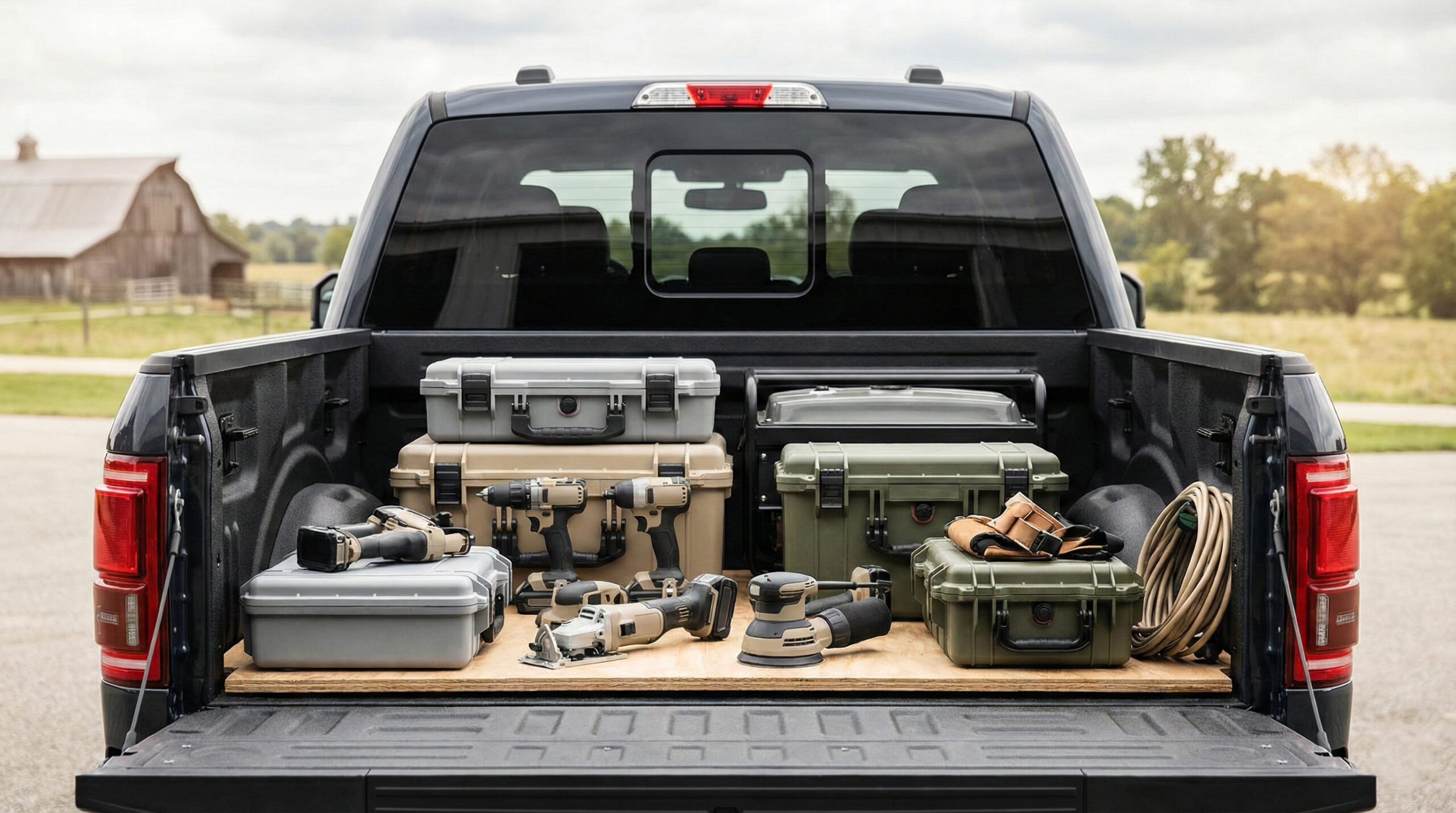
If your business moves tools, equipment, or inventory — even occasionally — you have exposures standard property policies often miss. This guide explains exactly what Inland Marine Insurance does, who needs it, how carriers price it, and the practical steps you should take this week to avoid surprise claim denials.
What is Inland Marine Insurance? (plain English)
Despite the old-school name, inland marine insurance is not about ships. Today it’s the category that protects movable business property — items that travel, get stored off-site, or are used away from your main location. Examples include contractor tools, cameras, trade-show displays, mobile medical devices, leased machinery, and inventory in transit.
Why does this matter? Because a standard commercial property policy usually only covers the “insured location.” If your assets leave that location (in a truck, at a client site, or at a temporary storage), they may no longer be protected — unless you have inland marine.
Common business situations where inland marine saves you
- A contractor whose tools are stolen from a van at a jobsite
- A photographer whose camera bag is lost or damaged while traveling to a shoot
- An event rental company whose audio rigs get water damaged during transport
- A retailer shipping high-value inventory between warehouses
In all these cases, inland marine is designed to follow the property — not the location — and pay for damage or replacement when loss occurs in transit or off-site.
How carriers think about risk & pricing
Underwriters price inland marine based on a few clear factors:
- Type of property: electronics and specialty equipment cost more to insure than basic hand tools.
- Where the property travels: urban, high-theft areas or long interstate routes increase rates.
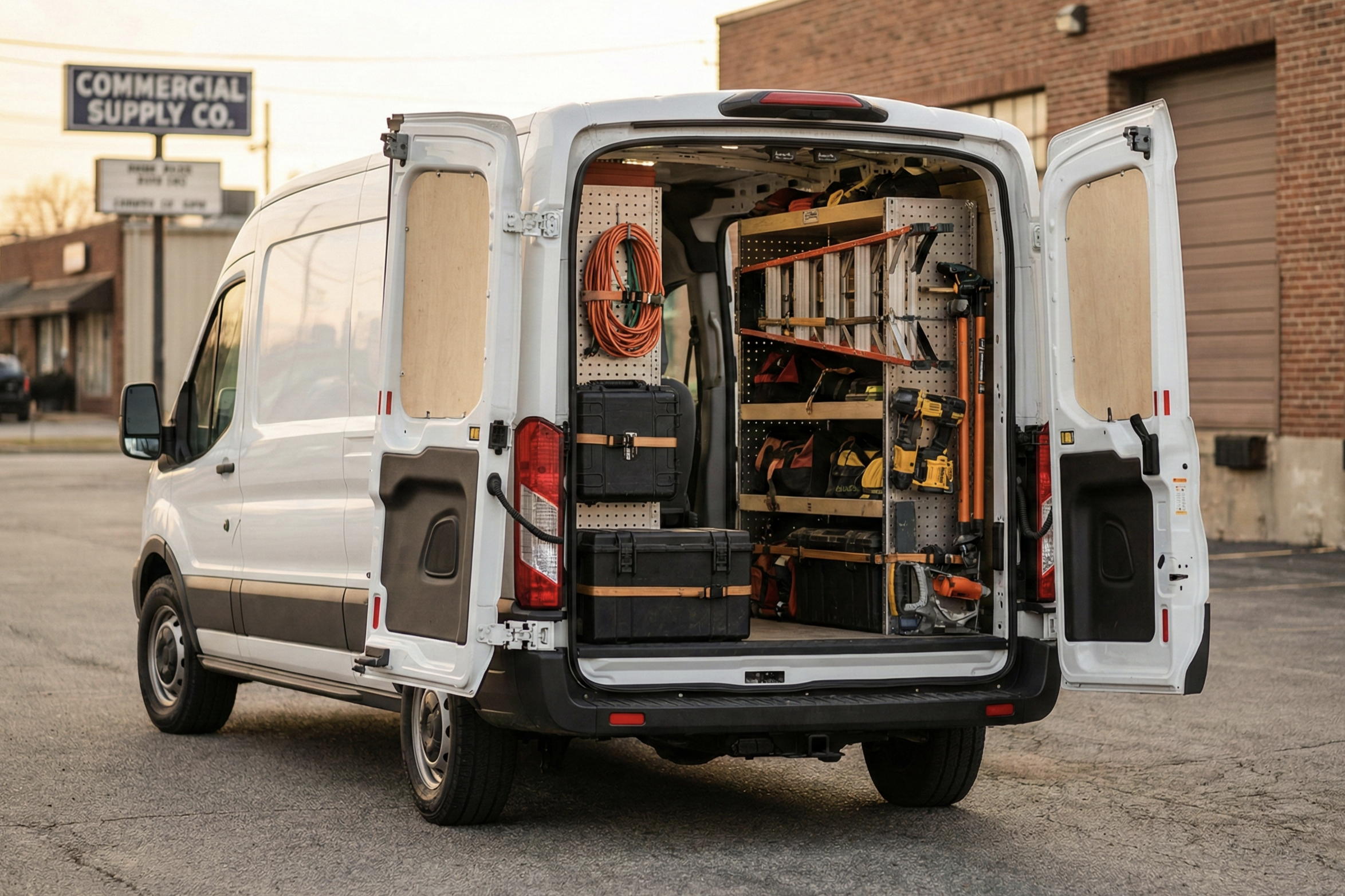
- Storage & transport security: locked vans, racks, theft-deterrent systems, and GPS tracking lower premiums.
- Replacement cost vs actual cash value: replacement cost coverage costs more but avoids depreciation shortfalls at claim time.
Simple risk controls — organized storage, inventory tagging, photos, and vehicle security — often buy significant discounts at renewal.
What Inland Marine typically covers
Most inland marine forms include coverage for:
- Theft from vehicles, job sites, and temporary locations
- Accidental damage during transit or use
- Fire, vandalism, and weather damage while off-site
- Loss during loading/unloading or shipment
- Equipment breakdown endorsements in some policies
Who should buy inland marine — the short checklist
Get inland marine if any of the following apply:
- You regularly carry tools or equipment in vehicles.
- You transport high-value inventory between locations.
- You display expensive goods at trade shows or client sites.
- You lease or rent out equipment to third parties.
- Coverage gaps appeared when you reviewed claims or contracts.
Quick steps to prepare before you buy
Before shopping, collect these items — they make quoting faster and quotes more accurate:
- Inventory list with replacement cost, serial numbers, and photos
- Typical routes and storage locations (overnight parking, off-site storage)
- Security controls (vehicle locks, racks, GPS tracking)
- Any contracts requiring specific insurance wording or limits
Transit coverage vs scheduled equipment — what’s the difference?
Most small businesses don’t realize inland marine policies can be written in two major formats. Choosing the wrong one leads to denied claims, especially for contractors and media professionals who carry a mix of high-value and everyday gear.
1. Scheduled coverage (best for high-value individual items)
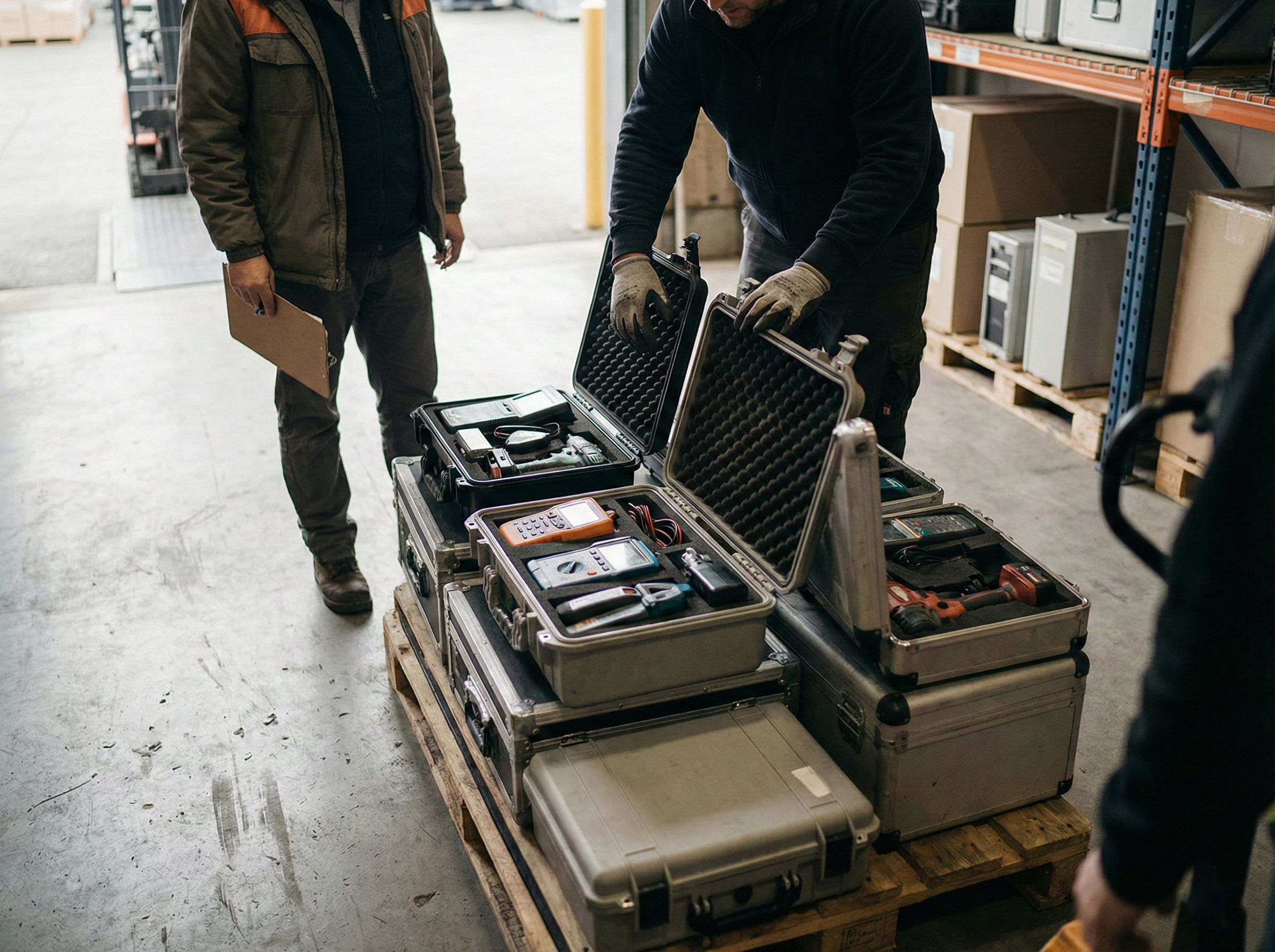
Scheduled coverage requires you to list expensive equipment item by item. You include each item’s serial number, value, and description. When a loss happens, the insurer pays the listed value — fast, without arguing depreciation.
This format is ideal for:
- Professional camera bodies and lenses
- DJI drones, scanners, surveying equipment
- Medical devices or testing equipment
- Diesel generators, specialty tools, and trade-show rigs
2. Blanket transit coverage (best for many low-to-mid value items)
Blanket transit coverage gives you a single limit that applies to whatever is being transported — even if the mix of items changes daily. This works well for construction crews, cleaning companies, IT service teams, repair techs, and mobile vendors.
If you’re unsure which format is right, most carriers allow a hybrid approach: schedule your expensive assets and blanket-cover everything else.

Common policy exclusions to watch carefully
Inland marine policies protect a lot — but not everything. Missing these exclusions is why many business owners experience unexpected claim rejections.
- Unattended vehicle exclusions: If tools are left overnight in an unlocked or unsecured truck, claims may be denied.
- Wear and tear: Rust, gradual deterioration, and mechanical breakdown are typically excluded unless you add endorsements.
- Mysterious disappearance: If you “can’t find the item” but have no proof of theft, many carriers won’t pay.
- Employee dishonesty: Internal theft requires a special crime endorsement.
- Improper storage: Storing gear in flood-prone basements or unsecured temporary structures may void coverage.
Always ask the carrier for a sample policy and read the exclusions section line by line. Inland marine varies more between insurers than almost any other policy class.
Documentation carriers love — and how to make claims painless
Inland marine claims move fast when you give carriers the documentation they expect. Most delays happen because business owners have no proof of value, no photos, and no serial numbers recorded.
Here’s the documentation checklist every business should keep updated:
- Photos of every item—front, back, and serial number label
- Receipts, invoices, or online purchase confirmations
- An equipment spreadsheet with model numbers and replacement cost
- A log of where each item is stored overnight
- GPS logs or route history for items in transit
Bundling inland marine with other business policies
Most insurers offer meaningful discounts if you bundle inland marine with general liability, commercial auto, or a BOP (Business Owners Policy). Bundling also prevents gaps, since all coverages are written under one carrier’s terms.
If you’re unsure whether to buy inland marine standalone or as part of a package, follow this rule:
If more than half your business equipment leaves your main location weekly, get inland marine separately.
Is inland marine required in contracts?
Many contractors, photographers, event professionals, and mobile service companies work under commercial contracts that require inland marine coverage. Common contract clauses include:
- Proof of equipment coverage up to a certain limit
- Transit coverage wording specifying “end-to-end protection”
- Waiver of subrogation endorsements
- Additional insured endorsements on the inland marine form
If you’ve ever signed a contract without reading the fine print, now is a good time to review it. Many vendors unknowingly violate contract insurance requirements — putting them at legal risk.
Recommended insurers for inland marine (U.S. small businesses)
Based on typical pricing, coverage clarity, and claim speeds, the following carriers are strong options for small businesses:
- The Hartford
- Travelers
- Berkshire Hathaway GUARD
- Nationwide
- Liberty Mutual
- Next Insurance (contractors & mobile pros)
Pricing varies widely, so always get 3–4 quotes. Inland marine is one of the few policy types where shopping around genuinely pays off.
How much inland marine coverage do you actually need?
Don’t under-insure. Add up the total replacement value of your movable property — not the amount you originally paid. Consider:
- Current replacement cost of each item
- Seasonal inventory swings
- New equipment you plan to buy in the next 12 months
- Whether you share tools or equipment between teams
A good rule: insure 10–20% above today’s total value to avoid mid-term endorsements and unexpected coverage gaps.
Final checklist before you buy
- Make a complete equipment list
- Take high-quality photos
- Note storage details and transit routes
- Check contract requirements
- Decide between scheduled or blanket coverage
- Get multiple quotes
Conclusion
Inland marine insurance protects the gear your business depends on every day — especially when that gear travels, gets stored off-site, or changes hands between jobs. A single theft or transit accident can threaten your operations, but the right inland marine policy keeps you financially stable, legally compliant, and fully prepared for unexpected losses.
We write simple, practical U.S. insurance guides designed to help you make confident decisions without jargon or confusion.
This article is for educational purposes only. It is not financial, legal, or insurance advice. Always consult a licensed professional for recommendations specific to your situation.
Last updated: December 2025