
Dental Insurance — The Sixth Policy I Didn’t Plan to Buy Today
This isn’t a recommendation. It’s a real explanation of why I added dental insurance today — even after believing I already had “enough” coverage.
I didn’t wake up today planning to buy another insurance policy. In fact, if you had asked me yesterday, I would’ve confidently said, “I’m covered enough.”
Until today, I had exactly five insurance policies. Each one chosen intentionally. Each one serving a specific purpose.
Dental insurance wasn’t part of that list.
Not because I didn’t believe in it — but because, like many people, I quietly assumed dental costs were manageable. Cleanings felt routine. Minor work felt affordable. And major procedures felt like “future problems.”
That assumption ended today.
What changed wasn’t a medical emergency. There was no dramatic diagnosis. No sudden pain.
It was something much quieter.
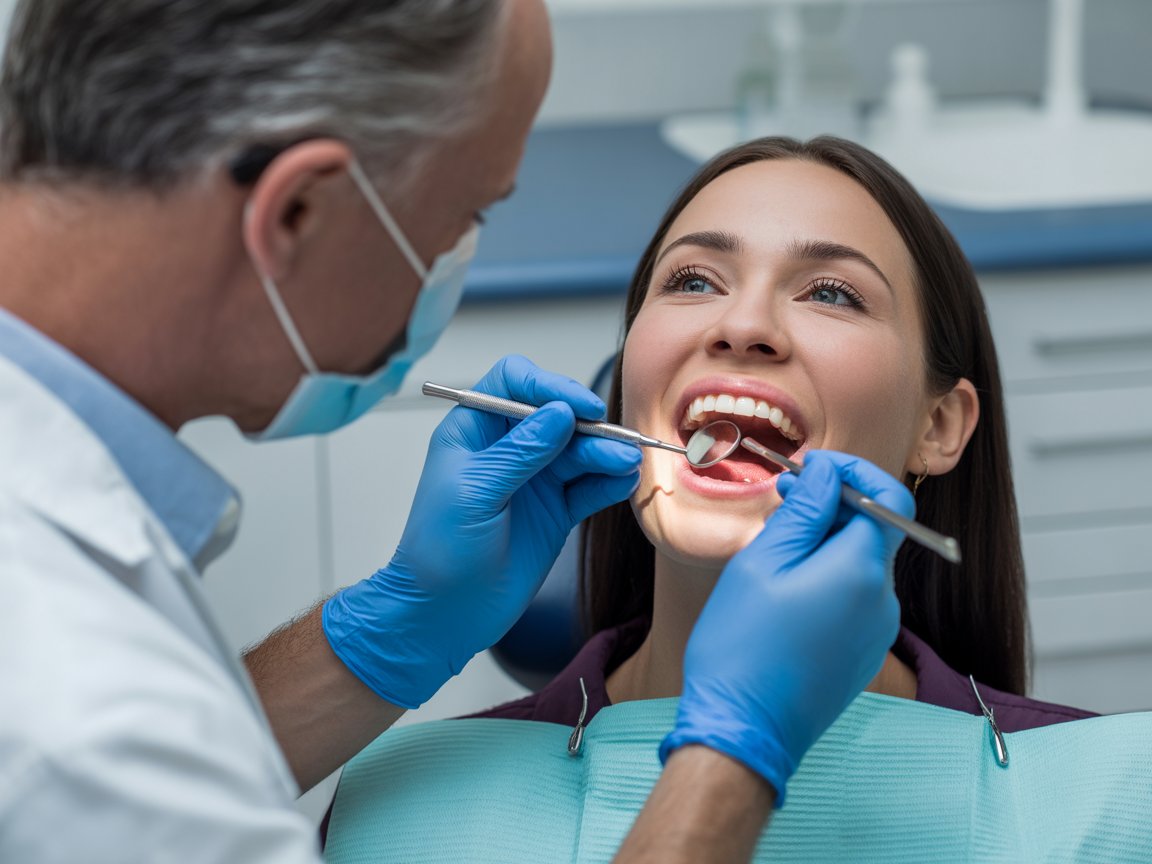
During a routine dental visit, the dentist pointed out a few things that weren’t urgent — but weren’t optional either. Small issues. Early-stage problems. The kind that don’t hurt today but almost always cost more tomorrow.
As we talked through possible treatments, one thing became obvious: dental expenses don’t arrive as a single big bill. They arrive as a series of “small enough to ignore” costs.
And those are the hardest to manage mentally.
I realized something uncomfortable — if I delayed care because of cost, I’d end up paying more later. But if I paid everything out of pocket now, I’d still be absorbing avoidable expenses.
That’s when I stopped asking, “Do I really need dental insurance?” and started asking, “Why did I assume dental care would always stay predictable?”
Why Dental Insurance Became My Sixth Policy
I want to be very clear here — I didn’t buy dental insurance today because someone convinced me. No agent. No comparison chart. No promotional offer.
I bought it because it solved a specific gap I had been ignoring.
Every other insurance policy I own protects me from large, obvious risks. Dental risk is different.
It’s slow. Quiet. And expensive in a way that feels deceptively “manageable.”
That’s exactly why so many people delay it.
I realized dental insurance isn’t about emergencies. It’s about removing hesitation.
When coverage exists, you don’t postpone cleanings. You don’t overthink X-rays. You don’t mentally negotiate with yourself over basic care.
That mental freedom mattered more to me than the monthly premium.
What Dental Insurance Actually Covers (In Simple Terms)
Most dental plans follow a structure known as 100–80–50 coverage. It sounds technical, but it’s straightforward once you see it in practice.
- 100% coverage: Preventive care like cleanings, exams, and basic X-rays
- 80% coverage: Common treatments like fillings and simple extractions
- 50% coverage: Major work such as crowns, root canals, or dentures
The biggest value isn’t the percentage — it’s the behavior it encourages.
When preventive care is covered fully, people actually use it. And that alone reduces long-term dental costs dramatically.
I didn’t buy dental insurance expecting it to “pay me back.” I bought it to prevent small problems from becoming large ones.
Why Dental Insurance Feels Optional — Until It Suddenly Isn’t
One thing became very clear to me while making this decision: dental insurance is ignored not because people don’t understand it, but because dental problems don’t behave like emergencies.
There’s no siren. No sudden hospital visit. No moment that forces you to stop everything and act.
Dental issues grow quietly. A little sensitivity here. A postponed cleaning there. A small delay that feels harmless in the moment.
And that’s exactly why people underestimate dental costs. Not because the costs are small — but because they arrive in pieces.
When I looked back, I realized I had been doing the same thing. Not intentionally. Just passively.
I wasn’t avoiding dental care. I was postponing commitment.
How I Evaluated Whether Dental Insurance Made Sense for Me
I didn’t start by comparing plans. I didn’t start by looking at premiums.
I started by asking a very basic question:
“What kind of dental expenses am I likely to face if I do nothing differently?”
That question changed everything.
Regular cleanings. Occasional X-rays. The possibility of fillings. And eventually, major work — because that’s how teeth age.
None of these are rare. They’re normal.
So the real question wasn’t, “Will I need dental care?” It was, “Do I want that care to feel predictable or stressful?”
Dental insurance didn’t remove costs. It removed uncertainty.
Understanding Dental Plan Types Without Overthinking
One mistake I see people make is assuming dental plans are complicated. Compared to health insurance, they’re actually very simple.
Broadly speaking, most people choose between:
- PPO plans — flexible, wider dentist choice, slightly higher premiums
- HMO plans — lower cost, more restrictions, fewer choices
- Discount plans — not insurance, but negotiated lower rates
I didn’t choose based on what was “best.” I chose based on what matched my habits.
Flexibility mattered to me. I didn’t want to switch dentists or deal with referrals. That automatically ruled out certain options.
Once you’re honest about how you live, the right category becomes obvious.
The Cost Question Most People Ask Too Late
Let’s talk about money — because that’s where most hesitation lives.
Dental insurance premiums are usually modest. What surprises people is not the monthly cost, but the annual limits.
Most plans cap coverage between $1,000 and $2,000 per year. That sounds low until you realize something important:
Dental insurance isn’t meant to cover everything — it’s meant to reduce impact.
That reframing helped me a lot.
I wasn’t expecting the insurer to pay every bill. I wanted to avoid paying full price every time.
Once I looked at it that way, the premium felt reasonable.
What This Decision Taught Me About Insurance in General
Buying dental insurance today reinforced something I’ve learned repeatedly:
Insurance decisions rarely happen at the moment of crisis.
They happen quietly — when you notice patterns, recognize blind spots, and decide to stop relying on luck.
This sixth policy didn’t mean I suddenly believed in “more insurance.” It meant I finally acknowledged a gap.
And that’s an important distinction.
Not every insurance policy is necessary. But every ignored risk eventually asks for attention.
Questions Worth Asking Yourself
I’m not telling you to buy dental insurance. That decision depends on your situation.
But I do think these questions are worth sitting with:
- Have I been confusing “no pain” with “no risk”?
- Am I delaying dental care because of cost hesitation?
- Would predictable expenses reduce mental stress for me?
- Is my current approach proactive — or reactive?
Clear answers to these questions matter more than any plan comparison.
Final Thoughts
Dental insurance didn’t suddenly become important because something went wrong. It became important because I stopped assuming nothing would.
That shift — from assumption to awareness — is where most smart insurance decisions begin.
This policy wasn’t about fear. It was about alignment.
And sometimes, that’s the only reason you need.
Disclaimer: I am not a licensed insurance professional. This content is for educational purposes only and reflects personal reasoning and general observations. Coverage, pricing, and benefits vary by provider and state. Always review official policy documents or consult a qualified professional before making decisions.