
Business Insurance • Commercial Auto
Commercial Auto Insurance: Protect Your Business Vehicles & Drivers
Company cars, delivery vans, and contractor trucks aren’t just assets — they’re how your business earns revenue. Commercial auto insurance protects those vehicles, your drivers, and the company balance sheet when accidents, theft, or liability claims happen.
Read Practical Steps →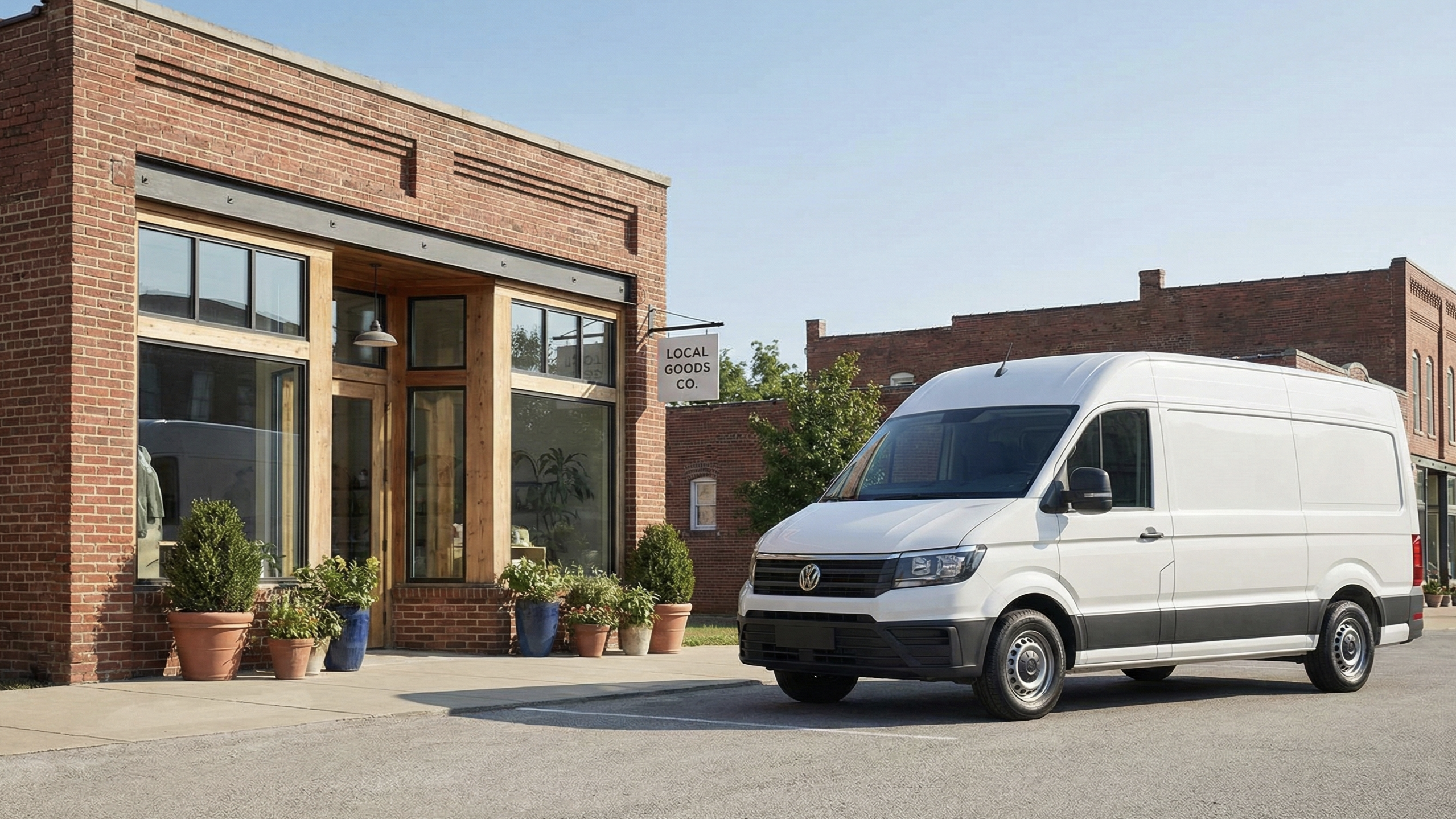
I’ll walk you through what commercial auto insurance covers, how carriers price it, real-world ways businesses use policies after a loss, and practical steps to lower premiums without risking compliance. If you run vehicles for work — even just one van — this guide is for you.
What is Commercial Auto Insurance (plainly)
Commercial auto insurance is a policy designed for vehicles used for business purposes. Unlike personal auto insurance, these policies cover business-owned vehicles, vehicles registered to the company, and often employees driving on company business. Coverage typically includes liability (third-party injury/property damage), physical damage (collision and comprehensive), medical payments, and optional coverages like hired/non-owned auto and cargo insurance.
Who needs it?
Short answer: any business that uses vehicles for work. Examples:
- Delivery services, courier companies, and e-commerce sellers with vans.
- Contractors, plumbers, electricians with trucks carrying tools and materials.
- Real estate agents and sales teams using company cars.
- Restaurants or retailers that offer delivery.
How carriers price commercial auto policies
Underwriters look at a set of predictable risk factors:
- Vehicle type & use: heavy trucks cost more than small cargo vans.
- Driver records: driving history and age of drivers matter hugely.
- Mileage & operation area: urban delivery with stop-and-go driving raises risk.
- Revenue and cargo: what the vehicle carries (tools vs expensive inventory).
- Limits & deductibles: higher limits = higher premiums; higher deductibles reduce costs.
What good coverage looks like
A solid commercial auto policy for most small businesses includes:
- Commercial liability with adequate limits (often $1M for many businesses).
- Collision and comprehensive for vehicle repair or replacement.
- Hired and non-owned auto (covers rented or employee-owned vehicles used for work).
- Medical payments / PIP where required by state law.
- Optional cargo insurance if you carry goods for delivery.
Make sure the policy lists the company as the insured (not the individual driver) when the vehicle is company-owned. That keeps the company protected and avoids personal policy gaps.

Common claim scenarios — and how the policy helps
Claims often fall into predictable buckets:
- Third-party liability: a delivery van injures a pedestrian — liability covers medical and legal costs.
- Vehicle damage: collision or theft — physical damage cover pays repair or replacement.
- Cargo loss: stolen or damaged goods in transit — cargo coverage reimburses value.
- Employee injury in vehicle: medical payments or workers’ comp interplay depending on situation.
Practical ways to reduce premiums (without underinsuring)
Premiums can be surprisingly controllable if you act on three fronts:
- Driver screening & training: hire with strict MVR checks, train for defensive driving, and maintain written safety programs.
- Fleet maintenance: scheduled inspections and quick repairs reduce accident risk and lower rates.
- Use appropriate limits & deductibles: align limits with real exposure and choose deductibles you can afford after a claim.
State rules & compliance
Remember each U.S. state has specific registration, insurance minimums, and endorsements for commercial vehicles — check your state DMV and carrier requirements. Noncompliance can void coverage or trigger fines, so document registrations, driver licenses, and vehicle inspections centrally.
Quick checklist before you buy
- List every vehicle and how it’s used (who drives, what it carries, typical mileage).
- Pull driving records for all drivers and set minimum standards.
- Decide on liability limits based on contracts and potential lawsuits.
- Ask about hired/non-owned, cargo, and employment-related endorsements.
- Get quotes from multiple carriers and compare policy wording, not only price.
What to ask your broker right now
Ask these direct questions in your next broker call:
- “Do you recommend hired/non-owned auto for our use case?”
- “What liability limit do contracts and customers require?”
- “Any industry-specific endorsements we need (cargo, tools, refrigeration)?”
- “What driver-screening and telematics discounts are available?”
How Telematics & Monitoring Can Lower Your Premiums
One of the biggest changes in commercial auto insurance over the past few years is the widespread adoption of telematics. If you’re new to the term, telematics simply means placing a small device or app inside your business vehicle that tracks driving behavior. Carriers now rely on this data to reward businesses with lower premiums.
Think of it this way — the safer your drivers actually drive, the less risk the insurer carries. That gives them reason to cut your rates. Many businesses earn 10% to 25% discounts after just a few months of monitored driving.
Telematics measures:
- Harsh braking and rapid acceleration
- Speeding patterns
- Night-time driving frequency
- Vehicle idle time and route efficiency
- Maintenance alerts and engine diagnostics
It’s more than just saving money — telematics helps spot unsafe habits early, train drivers better, reduce fuel usage, and decrease downtime. For delivery businesses, this technology has practically become a competitive advantage.
The Role of Maintenance in Reducing Accidents
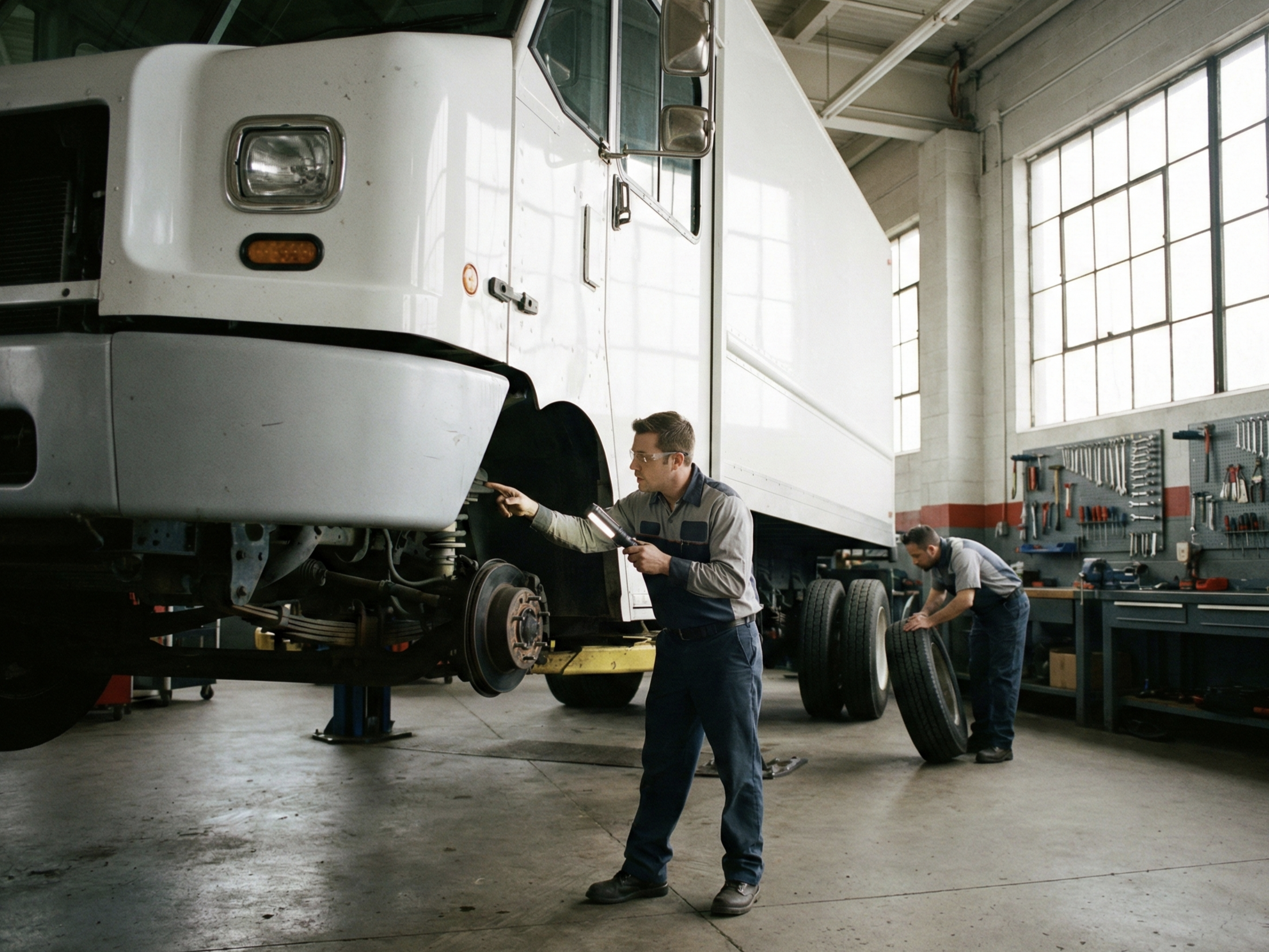
A huge percentage of commercial vehicle accidents come from mechanical issues — worn tires, faulty brakes, or ignored warning lights. Strong maintenance can lower claim frequency dramatically, which in turn reduces premiums.
I’ve seen businesses drop their accident rate by simply implementing:
- Weekly visual inspections by drivers
- Monthly shop inspections
- Mandatory reporting of warning lights within 24 hours
- Scheduled tire and brake maintenance based on mileage
- Keeping logs that carriers can review during renewal
Insurance companies love clean maintenance records. It tells them you’re a low-risk customer. Some even offer discounts just for keeping digital logs.
How Claims Work — And What Makes a Claim Strong
If one of your drivers gets into an accident, a strong claim file can mean the difference between fast approval or long delays. Insurers want clarity — what happened, who was involved, and whether the business maintained proper controls.
A strong commercial auto claim includes:
- Photos and videos from the scene
- Police report number
- Driver’s written statement
- Telematics event data
- Maintenance logs (especially brake/tire history)
- Repair estimates
Businesses that respond quickly and document well usually see faster payouts — often weeks faster than average.
Hired & Non-Owned Auto — The Most Overlooked Risk
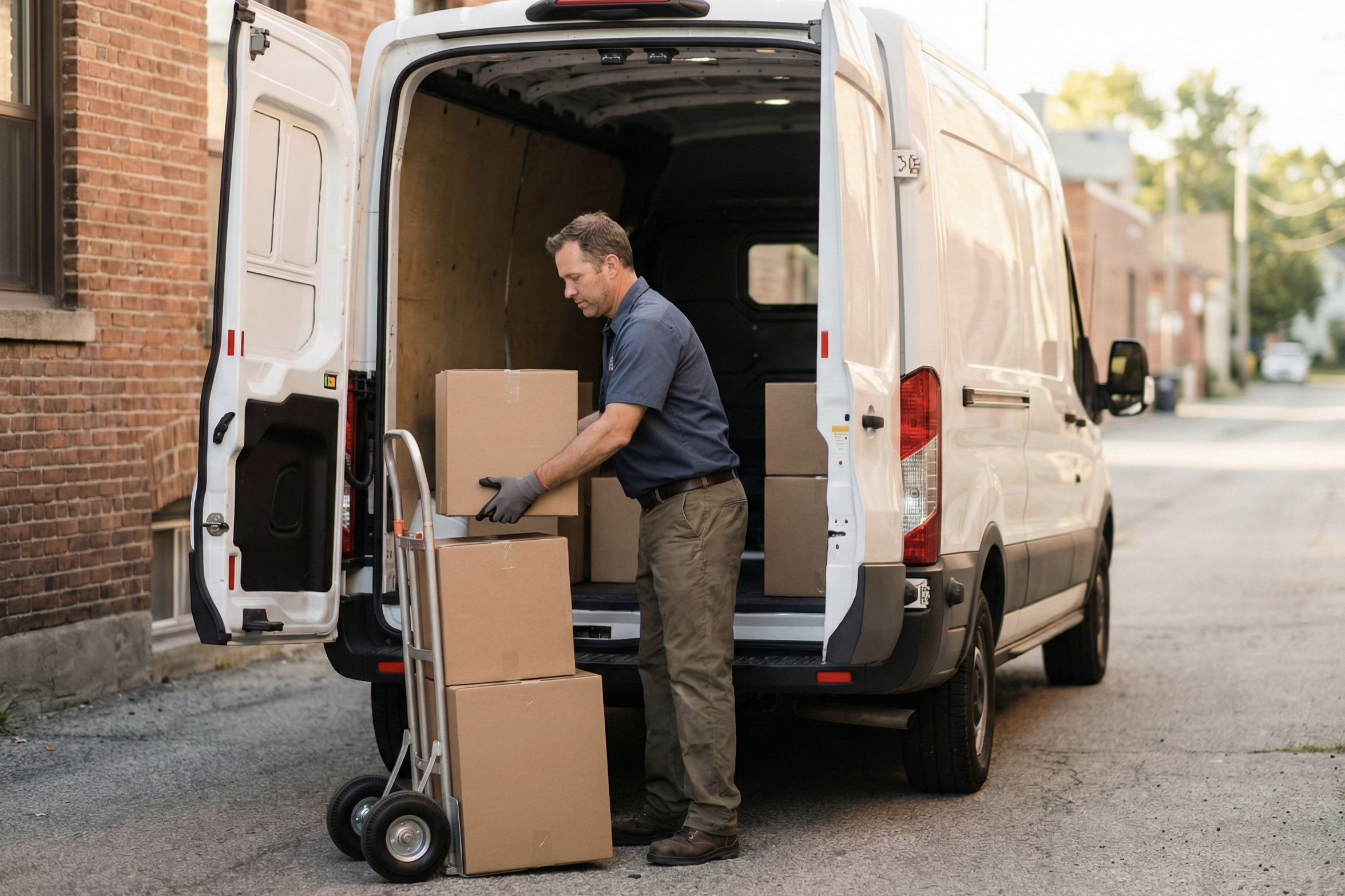
If your employees ever use their personal vehicles for deliveries, client visits, errands, or transporting work materials, your business has exposure — even if you don’t own the car. This is where “Hired and Non-Owned Auto” (HNOA) coverage comes in.
Many businesses mistakenly believe their employee’s personal auto policy will handle these claims. But here’s the truth: most personal auto insurers exclude accidents that happen “while performing work duties.” That leaves your company directly open to costly lawsuits.
HNOA is inexpensive, extremely high-value, and often required in vendor contracts. If your staff ever drives for work, even once a month, add this coverage immediately.
How Much Commercial Auto Coverage Do You Actually Need?
Liability is the most important part of your policy because it protects the business from lawsuits after an accident. For most small businesses, insurers recommend at least:
- $1 million liability limit (standard starting point)
- Higher limits for delivery operations or fleet vehicles
- Umbrella coverage if contracts or clients require more protection
If your business transports valuable cargo, works in dense metro areas, or contracts with large companies, higher limits are usually necessary.
Comparing Commercial Auto Quotes — What to Look For
Price matters, but wording matters more. Two policies that look identical on the surface can function very differently in a real claim. When comparing quotes, make sure you review:
- Deductibles and per-occurrence limits
- Exclusions (these determine what claims get denied)
- Cargo and equipment coverage limitations
- Driver eligibility requirements
- Telematics discount availability
Ask carriers to walk you through a sample accident scenario — it reveals how they actually pay claims.
Simple Checklist Before You Finalize Your Policy
- Are all drivers listed and approved?
- Are liability limits high enough for worst-case lawsuits?
- Do you need Hired and Non-Owned Auto?
- Is cargo or equipment insured at replacement value?
- Does your fleet follow a documented maintenance schedule?
- Did you compare at least three carriers?
Conclusion
Commercial auto insurance isn’t just a legal requirement — it’s financial protection for your business operations. Whether you run a single cargo van or a full fleet of delivery vehicles, the right policy shields you from accidents, liability claims, cargo losses, legal disputes, and unexpected repair bills. With the right mix of coverage, training, telematics, and maintenance, you can keep your drivers safe and your premiums under control.
This guide is written by the InsureLyric editorial team — focused on creating clear, practical insurance content for U.S. readers who want transparent, jargon-free advice.
Disclaimer: This article is for general informational purposes only and is not financial, legal, or insurance advice. Coverage varies by state and provider. Always consult a licensed agent for personalized recommendations.
Last updated: December 2025