
Errors and Omissions Insurance Explained: Who Needs It & How Much It Costs (2025)
If your work involves advice, services, or professional judgment, you’re exposed to lawsuits that have nothing to do with physical injury. This guide explains errors and omissions insurance in plain, practical language — without hype or sales pressure.
Start Reading
What errors and omissions insurance really means in day-to-day business
Errors and omissions insurance—often called professional liability insurance—exists because modern businesses are rarely sued over physical harm. They are sued over money. If your work involves advice, strategy, analysis, recommendations, or professional services, your decisions directly affect a client’s financial outcomes. That exposure is unavoidable.
One of the biggest misconceptions around E&O insurance is the belief that lawsuits only happen when someone makes an obvious mistake. In reality, most claims begin with disappointment. A client had expectations. The result didn’t match those expectations. Financial loss followed. Someone looks for responsibility.
At that point, facts become secondary to perception. Clients don’t need to prove you were careless to file a claim. They only need to allege that your service caused them financial harm. Even if the claim is weak, defending it requires lawyers, documentation, and time. Those costs arrive long before a court decides anything.
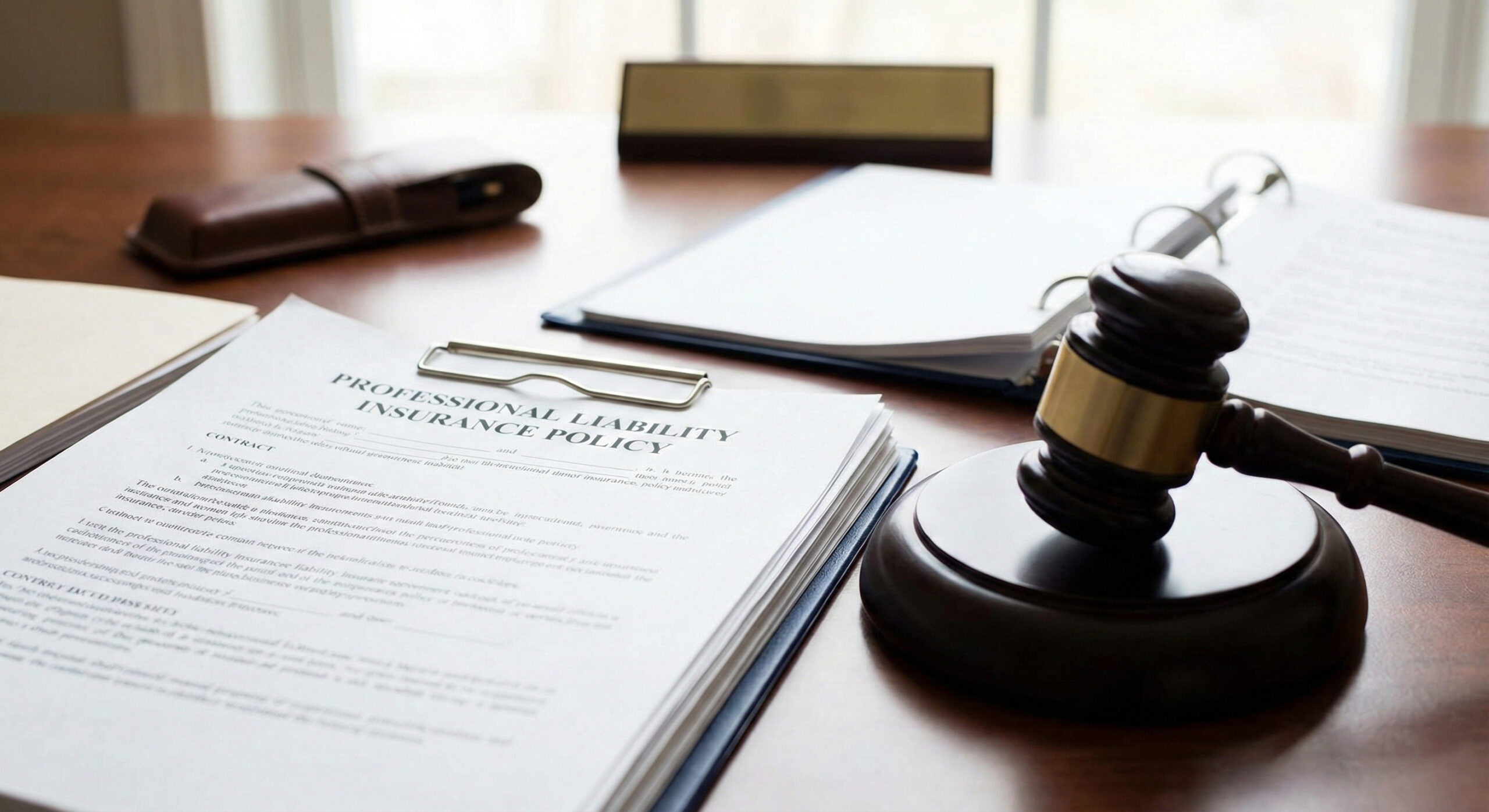
Errors and omissions insurance exists to absorb that pressure. It covers legal defense costs, expert witnesses, court fees, and settlements related to professional services. Without it, even a single dispute can drain savings, freeze business accounts, and derail long-term plans.
This coverage is fundamentally different from general liability insurance. General liability protects against physical risks—slip-and-fall accidents, damaged property, or bodily injury. E&O insurance protects against financial loss caused by professional judgment. Many professionals assume they are protected until they face a denied claim.
For example, if a visitor is injured in your office, general liability applies. If a client claims your advice caused them a six-figure loss, only errors and omissions insurance responds. These are two separate risks, and one policy does not replace the other.
Another reality professionals underestimate is how often E&O insurance is required. Agencies, corporate clients, and government contracts frequently demand proof of professional liability coverage before work begins. Without it, your expertise may never reach the negotiation stage.
Seen clearly, errors and omissions insurance is not about expecting failure. It’s about understanding that business outcomes are uncertain, expectations change, and financial blame travels fast. E&O insurance protects your ability to keep working when those realities collide.
Why professionals get sued even when they follow best practices
Many professionals believe lawsuits are tied to incompetence. In reality, they are tied to expectations and outcomes. When money is involved, frustration often turns into accusations, regardless of whether professional standards were followed.
A marketing consultant may execute a campaign correctly, yet be blamed if sales decline due to market conditions. An IT professional may plan a system migration carefully, but still face a claim if downtime causes lost transactions.
These disputes don’t start in courtrooms. They start with emails, demands, and threats of legal action. Responding requires legal guidance, detailed records, and significant time investment—all before liability is decided.
Errors and omissions insurance exists to manage this exact phase. Insurers step in early, assign legal counsel, and handle negotiations that would otherwise overwhelm individuals. This prevents professionals from fighting expensive battles alone.
Contracts help, but they are not shields. Scope can be disputed. Deliverables can be reinterpreted. Implied promises can be alleged. When disagreements escalate, E&O insurance provides the structure and resources needed to respond professionally.
Independent professionals and small firms face the greatest risk. Large corporations have legal teams and reserves. Solo consultants and agencies do not. One lawsuit can undo years of progress.
From a long-term perspective, errors and omissions insurance is not a defensive purchase. It is a stability tool. It allows professionals to take on meaningful work without risking financial collapse over a single unhappy client.

Who actually needs errors and omissions insurance (and who underestimates the risk)
Errors and omissions insurance is often misunderstood as something only large firms or licensed professionals need. In reality, risk has little to do with company size and everything to do with responsibility. The more your work influences financial decisions, the greater your exposure.
Consultants sit at the center of this risk. Whether you advise on strategy, operations, growth, or systems, your recommendations guide decisions that involve money, staffing, and investments. When outcomes fall short, clients often revisit the advice that shaped those decisions.
Real estate and insurance agents face similar pressure. Missed disclosures, misunderstood policy terms, or timing issues can all trigger allegations of negligence. Even when everything is documented, clients may claim they were not properly informed.
Technology professionals are another high-exposure group. IT consultants, developers, and SaaS providers deal with uptime, data handling, integrations, and migrations. When systems fail or downtime occurs, financial losses can be immediate, and blame often follows.
Marketing agencies and freelancers are increasingly exposed as well. Campaign performance, ad spend efficiency, lead quality, and analytics interpretation are subjective areas. When results disappoint, marketing advice is often questioned regardless of market conditions.
Accountants, bookkeepers, and financial advisors already understand professional liability risk. Small calculation errors, missed deadlines, or misinterpretations of regulations can carry serious financial consequences for clients.
Solo professionals often underestimate their exposure. In practice, they face greater risk because they lack legal teams and internal review systems. One claim can interrupt income entirely.
If clients rely on your expertise to make financial decisions, errors and omissions insurance is not an optional upgrade. It is foundational protection that allows you to work confidently without constant fear of legal fallout.

E&O insurance costs, limits, and how to buy coverage without overpaying
Errors and omissions insurance cost varies widely because professional risk is not uniform. Insurers price policies based on exposure, claims history, revenue, and the nature of services provided—not just business size.
In the U.S., low-risk professionals may pay a few hundred dollars per year, while higher-risk service providers may pay several thousand. Professions involving financial advice, technology, or regulatory compliance typically fall on the higher end.
Coverage limits matter more than most people realize. Many small businesses choose $1 million per claim and $1 million aggregate because it satisfies most contracts without driving premiums too high.
Deductibles directly influence cost. A higher deductible lowers annual premiums but increases out-of-pocket expense during a claim. The right deductible is one that won’t disrupt cash flow if a claim occurs.
Retroactive dates are critical because E&O insurance is claims-made. Coverage applies only to work performed after the retroactive date. Choosing the wrong date can leave earlier projects uninsured.
Professionals looking to reduce premiums should focus on risk management. Clear contracts, defined scopes of work, documented communication, and internal quality controls all reduce perceived risk for insurers.
Bundling errors and omissions insurance with other business insurance policies can also lower total cost. Many insurers offer discounts when professional liability is combined with general liability or business owner policies.
The biggest mistake is buying coverage based on price alone. Policies differ in exclusions, definitions, and defense cost handling. Reading policy language matters more than chasing the cheapest quote.
This content is for informational purposes only and does not constitute legal, financial, or insurance advice. Coverage terms, limits, and availability vary by state and insurer. Always consult a licensed insurance professional before purchasing or modifying any insurance policy.
The InsureLyric editorial team breaks down complex insurance topics into clear, practical guidance for U.S. readers, focusing on education over sales.
Last updated: December 2025