
Replacement Cost vs Actual Cash Value: What Insurers Really Pay
The difference between replacement cost and actual cash value can decide whether your insurance payout fully rebuilds your loss or leaves you paying out of pocket. This guide explains how insurers calculate payouts and why the coverage choice matters far more than most policyholders realize.
Start Reading
Why replacement cost vs actual cash value matters more than people think
When people buy insurance, they often focus on premiums and deductibles. What many overlook is how claim payouts are calculated after a loss. That calculation usually comes down to one critical detail: whether the policy pays replacement cost or actual cash value.
This distinction determines whether insurance restores what you lost or reimburses only what the item was worth at the time of damage. Two policies with similar premiums can produce vastly different payouts based solely on this clause.
Replacement cost coverage pays what it costs to repair or replace damaged property with new items of similar kind and quality, without subtracting depreciation. Actual cash value coverage, on the other hand, subtracts depreciation for age, wear, and condition before paying a claim.
The difference becomes clear after a loss. Imagine a ten-year-old roof damaged by a storm. Under replacement cost coverage, the insurer pays to install a new roof, subject to policy limits and deductibles. Under actual cash value coverage, the insurer reduces the payout based on the roof’s age and expected lifespan.
Many policyholders only discover this difference when a claim is filed. At that point, it is too late to change coverage. Understanding how insurers calculate payouts before a loss occurs is one of the most important steps in choosing the right policy.
Replacement cost vs actual cash value applies across multiple insurance types. Homeowners insurance uses it for structures and personal property. Auto insurance applies it when vehicles are totaled. Business insurance uses it for equipment and inventory.
Actual cash value coverage typically costs less in premiums. That lower cost reflects the reduced payout insurers expect to make. Replacement cost coverage costs more because it shifts more financial responsibility to the insurer.
The problem arises when policyholders assume all policies pay replacement cost. Marketing language often emphasizes “full coverage” without clearly explaining depreciation. This misunderstanding leads to frustration during claims.
From an insurer’s perspective, depreciation is logical. Older items have already provided value over time. From a policyholder’s perspective, replacing damaged items still requires full current prices. Replacement cost coverage bridges that gap.
Understanding replacement cost vs actual cash value is not about choosing the most expensive option. It is about aligning coverage with financial reality and avoiding surprises when a loss occurs.
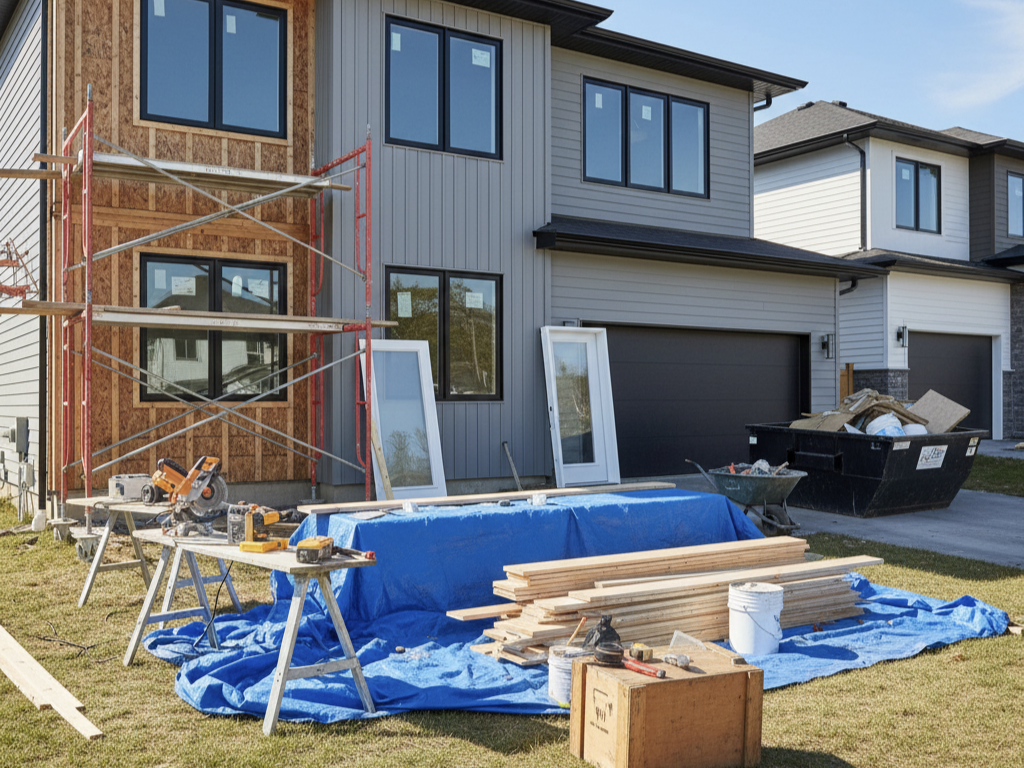
How replacement cost coverage works in real insurance claims
Replacement cost insurance is designed to restore property to its pre-loss condition without applying depreciation. In practice, however, the payout process can involve multiple steps and conditions.
Many policies initially pay the actual cash value of a loss. After repairs or replacements are completed, the insurer releases the remaining amount up to replacement cost. This ensures funds are used for rebuilding rather than unrelated expenses.
Replacement cost coverage usually comes with requirements. Repairs must be completed within a specific timeframe. Documentation such as receipts and contracts must be submitted to receive full reimbursement.
Policy limits still apply. If replacement costs exceed the policy limit, the policyholder is responsible for the difference. This is why adequate coverage limits are just as important as choosing replacement cost.
Another important detail is “like kind and quality.” Replacement cost does not guarantee upgrades. Insurers replace damaged items with materials and features comparable to what existed before, not luxury upgrades.
Replacement cost coverage is most valuable when rebuilding costs rise faster than depreciation schedules. Construction inflation, labor shortages, and supply chain issues can dramatically increase rebuild costs after disasters.
For personal property, replacement cost allows policyholders to replace essential items without absorbing years of depreciation. This can be especially important for electronics, furniture, and household goods.
In business settings, replacement cost coverage supports continuity. Replacing damaged equipment quickly helps businesses resume operations without major financial disruption.
While replacement cost coverage costs more upfront, it often prevents significant out-of-pocket expenses later. For many policyholders, that tradeoff provides financial stability when it matters most.

How actual cash value insurance calculates payouts after depreciation
Actual cash value insurance is often chosen because of its lower premium, but many policyholders do not fully understand how depreciation affects payouts. Under actual cash value coverage, insurers calculate what the damaged property was worth immediately before the loss, not what it costs to replace today.
Depreciation reflects age, wear, condition, and expected lifespan. Items that have already provided years of use are valued lower, even if they still functioned perfectly before the damage occurred. This is where the largest gap between expectation and payout appears.
For example, if a five-year-old appliance is damaged, the insurer does not pay the price of a new replacement. Instead, it pays the depreciated value based on remaining useful life. The policyholder must pay the difference to buy new.
Actual cash value applies across many types of property. In auto insurance, it determines total-loss payouts. In homeowners insurance, it may apply to roofs, personal belongings, or secondary structures. In business insurance, it can affect equipment and inventory.
One reason insurers favor actual cash value is predictability. Depreciation schedules help standardize payouts and keep premiums affordable. From a financial standpoint, this limits insurer exposure.
From a policyholder’s perspective, actual cash value coverage shifts more financial burden to the individual after a loss. Replacing damaged property often costs more than the depreciated payout provides.
Actual cash value may still make sense in certain situations. Older properties, low-value items, or assets nearing the end of their lifespan may not justify the higher cost of replacement coverage.
The key is understanding the tradeoff. Lower premiums today can lead to higher out-of-pocket costs tomorrow. Actual cash value insurance is not inherently bad, but it must be chosen deliberately.
Policyholders who choose actual cash value should be prepared for partial reimbursement and plan financially for replacement gaps. Awareness reduces disappointment during claims.
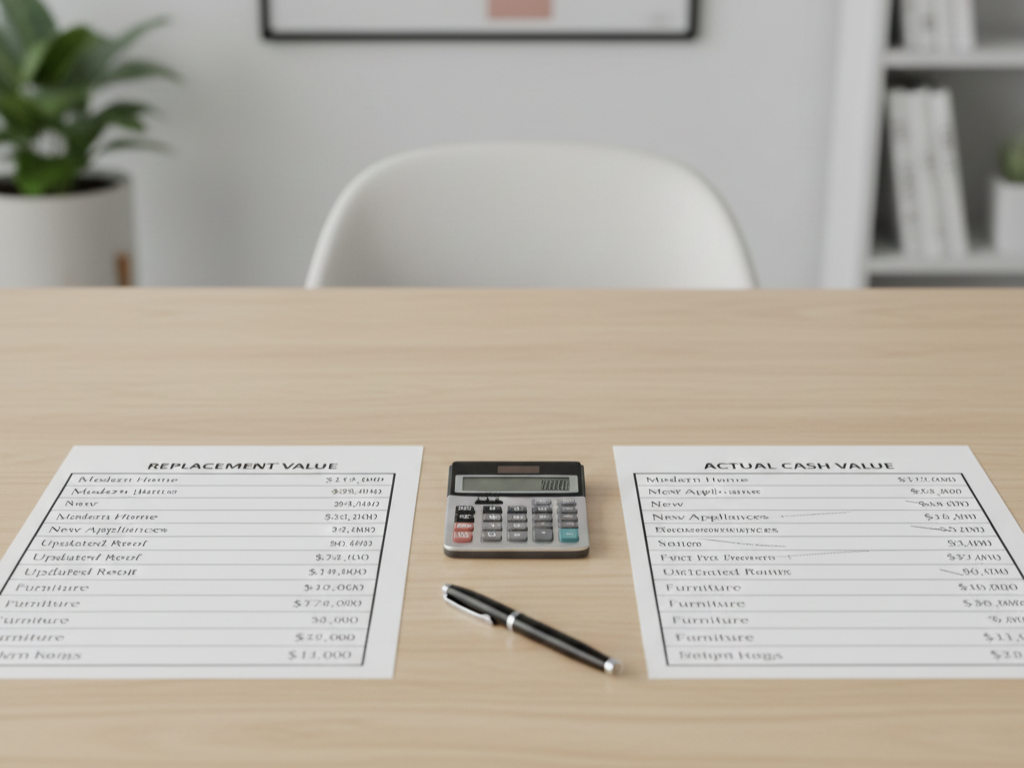
How to choose between replacement cost and actual cash value coverage
Choosing between replacement cost and actual cash value is ultimately a financial decision. It depends on risk tolerance, budget, and the ability to absorb unexpected expenses.
Replacement cost coverage is generally recommended for primary residences, essential personal property, and businesses that rely on equipment to operate. These assets are difficult to replace without full reimbursement.
Actual cash value coverage may be appropriate for secondary structures, older items, or situations where replacement would be optional. In these cases, lower premiums may outweigh reduced payouts.
Coverage limits must align with replacement costs. Even with replacement coverage, underinsured properties can still face gaps. Regular policy reviews help ensure limits remain adequate.
Endorsements and riders may allow partial upgrades. Some policies offer replacement cost on personal property while keeping actual cash value on structures. Understanding these options creates flexibility.
Inflation protection is another factor. Rising construction and labor costs increase the value of replacement coverage over time. Policies that adjust limits annually help maintain adequate protection.
The best choice is the one that avoids financial stress after a loss. Paying slightly higher premiums can prevent large, unexpected expenses later.
Policyholders who understand how insurers pay claims make better coverage decisions. Replacement cost vs actual cash value is not about right or wrong — it is about matching coverage to real-world needs.
Reviewing this choice with an insurance professional ensures coverage aligns with property value, usage, and long-term goals.
This article is for informational purposes only and does not constitute legal, financial, or insurance advice. Coverage terms, limits, and payout methods vary by policy and insurer. Always review your policy documents or consult a licensed professional for guidance.
The InsureLyric editorial team focuses on explaining insurance concepts in clear, practical language for U.S. readers, helping policyholders understand coverage decisions before claims happen.
Last updated: December 2025