
I Was Driving Carefully. The Risk Didn’t Come From Me.
This isn’t advice or a lesson. It’s a real moment that quietly changed how I think about driving, responsibility, and auto insurance.
A Normal Drive That Didn’t Feel Normal Anymore
It was one of those drives you don’t remember afterward — at least that’s how it was supposed to be.
No rush. No distraction. No pressure to reach anywhere quickly.
I was on a familiar road, following the same routine I had followed hundreds of times before.
Speed under control. Phone untouched. Full attention on the road.
In short, everything was done right on my end.
The signal ahead turned green. I slowed slightly — not because traffic demanded it, but because that’s just how I drive.
Cars on the opposite side were stopped. The situation looked predictable. Safe.
And then, without warning, a car from the opposite side moved forward.
Not aggressively. Not recklessly. Just enough to break the assumption that everyone would do what they were supposed to do.
The Moment You Realize Control Is Limited
I hit the brakes instantly.
Tires made that sharp sound you never forget. My body leaned forward. Everything else went quiet.
We stopped just inches apart.
No crash. No damage. No argument.
But the distance between “normal drive” and “serious problem” suddenly felt uncomfortably small.
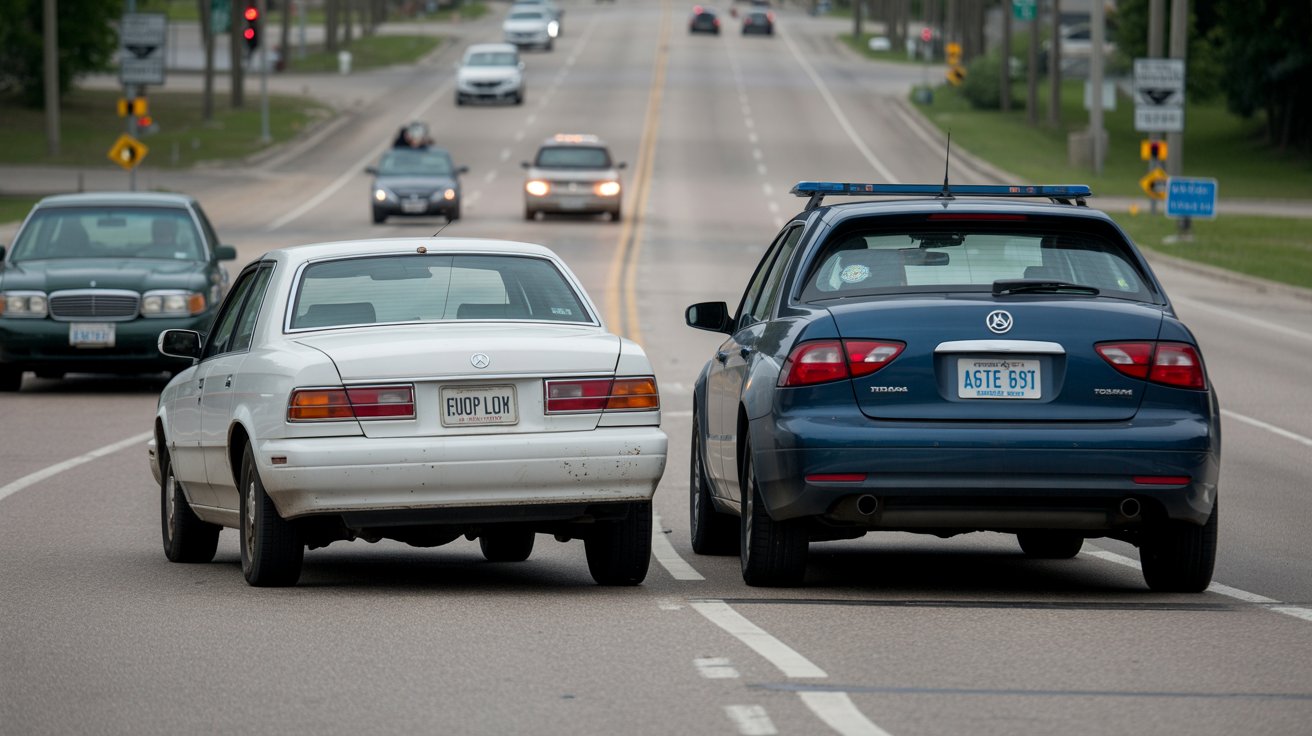
The other driver looked confused. Not angry. Not careless.
Just human.
I drove away once traffic moved, but the rest of the drive didn’t feel the same.
Same road. Same conditions. Different awareness.
What Stayed With Me After the Drive
That moment kept replaying in my head — not the braking, but everything before it.
I hadn’t taken a risk. Yet I was exposed to one.
That’s when a simple truth became clear:
Driving responsibly reduces risk, but it doesn’t eliminate exposure.
Roads are shared spaces. You don’t just drive your car — you drive among decisions made by strangers.
Some are tired. Some misjudge distance. Some assume others will slow down.
None of that requires bad intent.
Just imperfect judgment.
Why This Wasn’t About Fear
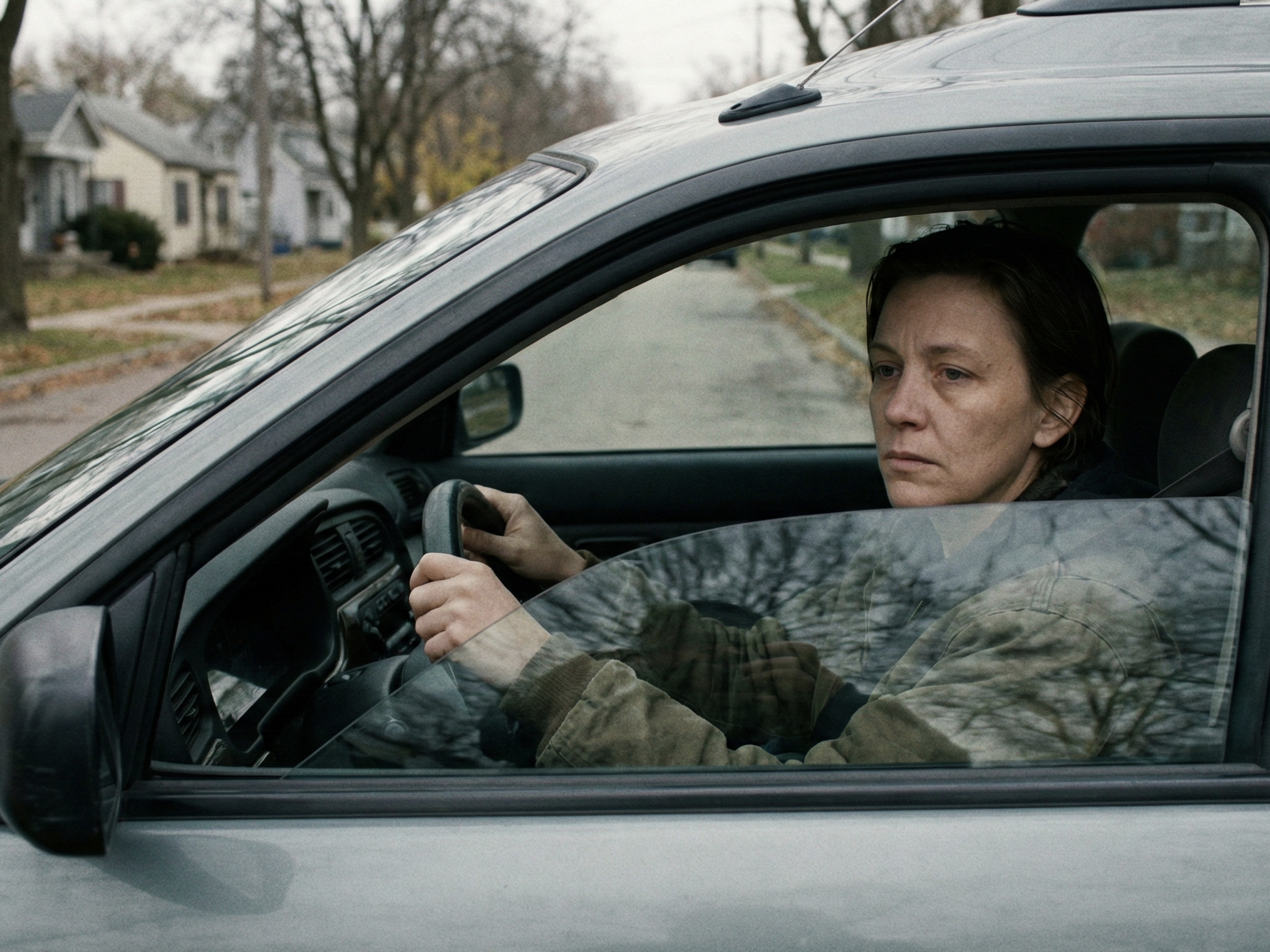
This experience didn’t scare me.
It grounded me.
It made me understand that responsibility on the road isn’t about believing nothing will happen.
It’s about acknowledging that something can — even when you do everything right.
That awareness stayed with me. And it eventually led me to think differently about protection, preparation, and auto insurance.
Not as a purchase. Not as a requirement.
But as a response to reality.
When Awareness Turns Into a Decision
That drive didn’t push me into panic. It didn’t make me rush online to compare plans. And it definitely didn’t make me feel like I had done something wrong.
What it did was quieter than that.
It made me pause. And pausing is often where better decisions begin.
I started replaying the situation in my head — not emotionally, but practically.
What if the timing had been slightly different?
What if the other driver had moved a second earlier?
What if there had been damage — even minor?
None of those questions came from fear. They came from realism.
And that’s an important distinction.
Fear makes people buy things quickly. Realism makes people understand what they’re buying.
I Stopped Asking “Which Auto Insurance Is Best”
Like most people, my first instinct was to search: “best auto insurance.”
But within minutes, I closed those tabs.
Not because the information was bad — but because it wasn’t answering the question I actually had.
I wasn’t trying to win a comparison. I wasn’t chasing discounts. And I wasn’t looking for a brand name.
The real question was simpler:
What kind of exposure do I have every time I get behind the wheel?
That question changed everything.
Because once you frame it that way, auto insurance stops feeling like paperwork and starts feeling like context.
How I Looked at My Own Driving Reality
I didn’t make a spreadsheet. I didn’t calculate probabilities.
I just looked at my life honestly.
How often do I drive? Where do I drive? What kind of roads am I usually on?
City traffic. Intersections. People in a hurry.
And the biggest factor of all — I share the road with people I don’t know.
Their mood. Their attention. Their judgment.
None of that is in my control.
That realization didn’t make me anxious. It made me specific.
What I Actually Wanted From Auto Insurance
I didn’t want “maximum coverage.” I didn’t want “bare minimum” either.
What I wanted was clarity.
If something happened — even if it wasn’t my fault — I wanted to know:
Who handles what? How long does it take? What am I responsible for?
That’s when I understood something important:
Auto insurance isn’t about accidents. It’s about how smoothly life continues after one.
The Coverage Choices I Felt Comfortable With
I won’t list company names here. Not because they’re bad — but because that’s not the point of this story.
What matters more than the provider is the type of protection you choose.
For me, that meant:
Liability coverage that didn’t just meet legal requirements, but reflected real-world costs.
Protection that acknowledged that even a low-speed incident can become expensive very quickly.
I wasn’t planning for worst-case scenarios. I was planning for common ones.
Fender benders. Disputes. Delays.
Things people don’t talk about because they’re not dramatic — but they’re disruptive.
Why I Didn’t Overcomplicate the Decision
One mistake I see often — and almost made myself — is trying to optimize insurance too much.
Chasing perfect balance. Perfect pricing. Perfect coverage.
But insurance decisions don’t need perfection. They need alignment.
Alignment with your driving habits. Alignment with your tolerance for inconvenience. Alignment with how much uncertainty you’re okay carrying.
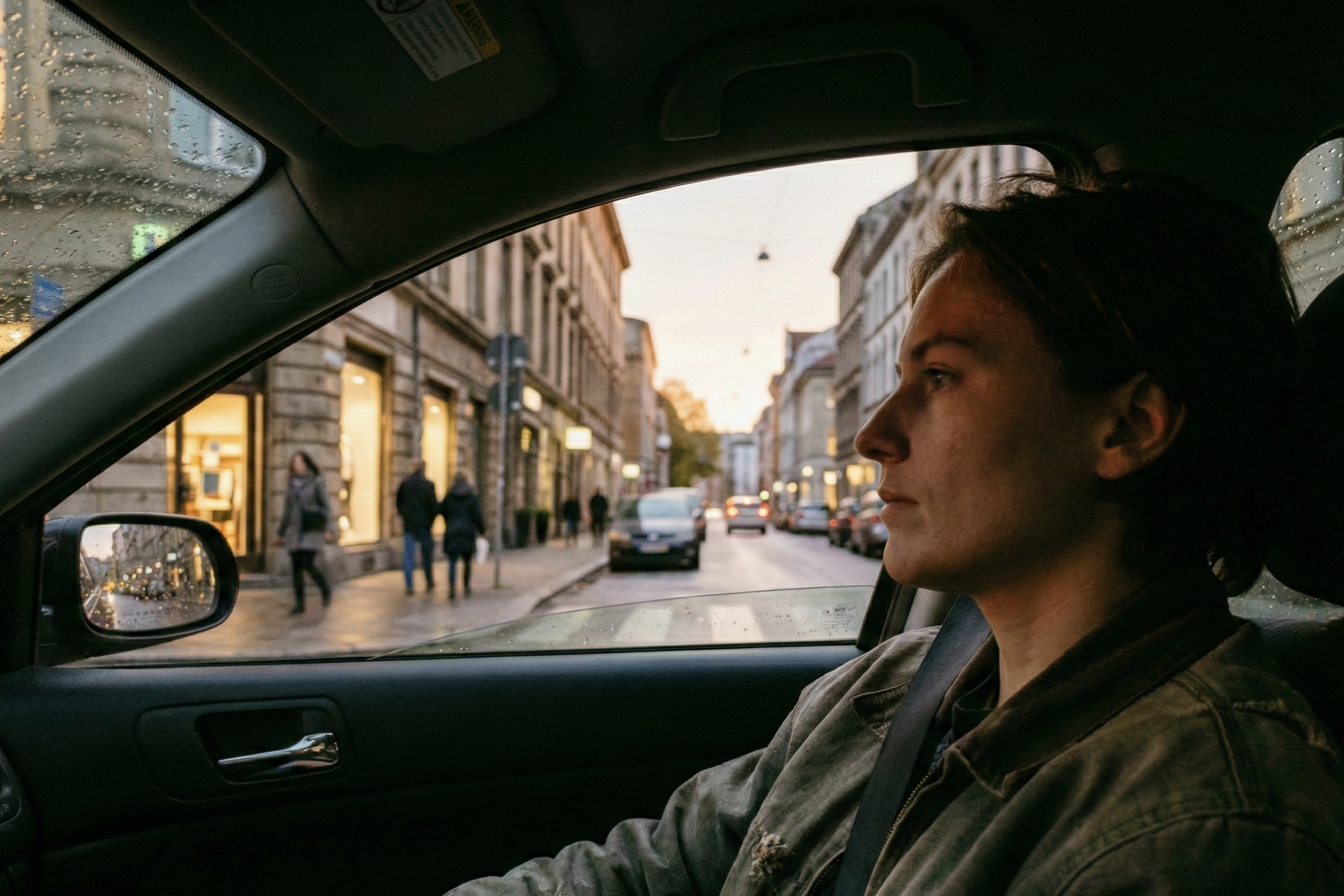
Once I focused on that, the decision became surprisingly calm.
No rush. No pressure.
If You’re Thinking About Auto Insurance Right Now
If you’re reading this and thinking about your own coverage, I won’t tell you what to buy.
That wouldn’t be honest.
What I will suggest is this:
Before looking at plans, look at your driving reality.
How exposed are you? How often do you rely on assumptions? How much inconvenience can you actually handle if something goes wrong?
Those answers matter more than any comparison chart.
What Changed for Me After Making the Choice
Nothing dramatic happened.
I didn’t drive differently. I didn’t think about insurance every day.
What changed was subtle — and valuable.
I stopped assuming that “being careful” was enough.
I started understanding that responsibility includes preparation, not just intention.
And that’s really what this story is about.
Not fear. Not accidents. Not policies.
Just recognizing reality — and responding to it thoughtfully.
Disclaimer:
I am not a licensed insurance agent, financial advisor, or legal professional.
The content shared on this page is based on personal experience, general observations,
and commonly discussed situations for educational purposes only.
This post should not be considered professional insurance, financial, or legal advice.
Insurance needs vary from person to person depending on individual circumstances. Before making any insurance-related decisions, consider reviewing official policy details or consulting a qualified professional who can assess your specific situation.
Last updated: 2026